Santa Catalina Monastery – Explore Arequipa’s Hidden City Within a City


Introduction
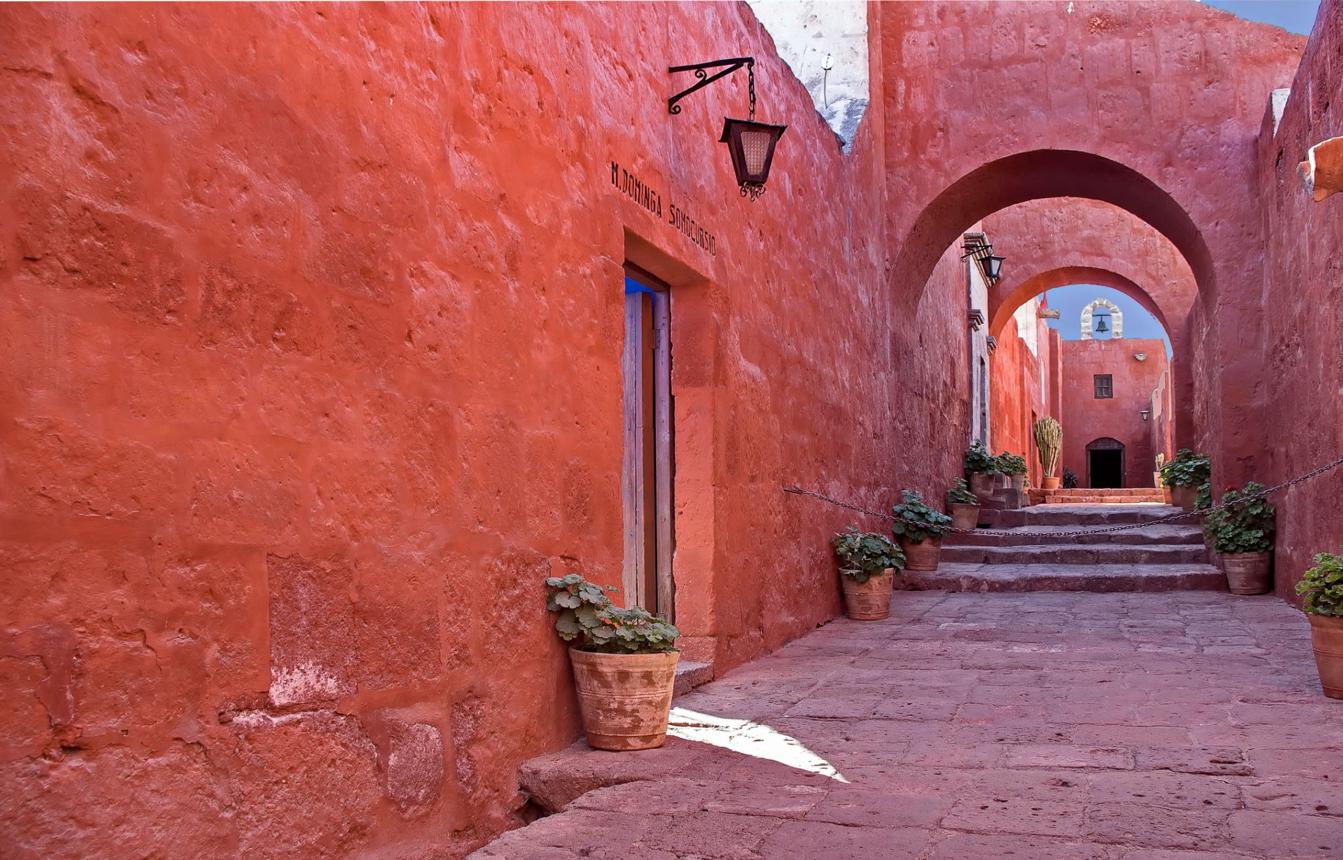
Santa Catalina Monastery is one of the most extraordinary religious complexes in South America. Often described as a “city within a city,” this vast convent in Arequipa is famous for its colorful walls, peaceful courtyards, and centuries-old cloisters that reflect a unique blend of colonial and Andean architecture.
Walking through Santa Catalina Monastery feels like entering a different world—quiet, artistic, and frozen in time.
A Living Convent with Over 400 Years of History


From Isolation to Cultural Landmark
Founded in 1579, the monastery has a deeply spiritual past.
Key highlights:
- Established during Spanish colonial period
- Home for Dominican nuns
- Strict cloistered religious life
- Expanded over centuries
- Now open as a cultural site
Its history reflects centuries of devotion and tradition.
Walking Through the Colorful Streets of the Convent


A Painter’s Palette in Stone
The monastery is famous for its vibrant colors.
Key highlights:
- Deep blue and orange walls
- Narrow cobblestone streets
- Flower-filled courtyards
- Artistic colonial design
- Peaceful walking paths
Every corner feels like a living artwork.
Discovering the Peaceful Cloister Courtyards


Silence and Spiritual Reflection
The courtyards are the heart of the monastery.
Key highlights:
- Quiet meditation spaces
- Central fountains
- Arched colonial walkways
- Natural light and shadows
- Spiritual atmosphere
It offers rare tranquility in modern life.
Exploring the Nuns’ Historic Living Quarters


Life Behind the Monastery Walls
The preserved rooms show centuries of monastic life.
Key highlights:
- Simple stone chambers
- Original furniture and artifacts
- Private prayer spaces
- Historical reconstructions
- Insight into cloistered life
These rooms reveal a deeply spiritual lifestyle.
Admiring Colonial Architecture and Design


A Masterpiece Built from Volcanic Stone
Arequipa’s architecture is known for its unique materials.
Key highlights:
- Built with sillar volcanic stone
- Spanish colonial influence
- Strong geometric symmetry
- Decorative arches and columns
- Exceptional preservation
It represents Arequipa’s architectural identity.
Experiencing Art, Religion, and Culture Together


A Museum of Faith and Creativity
The monastery is also an important cultural museum.
Key highlights:
- Religious paintings and frescoes
- Sacred sculptures
- Colonial-era artifacts
- Educational exhibitions
- Cultural preservation efforts
It blends spirituality with artistic heritage.
Capturing the Most Photogenic Spots in Arequipa

A Dream Destination for Photography Lovers
Every corner offers stunning visuals.
Key highlights:
- Vibrant color contrasts
- Dramatic light and shadows
- Symmetrical architecture
- Iconic Instagram spots
- Unique cultural framing
It is one of Peru’s most photogenic landmarks.
Understanding Its Role in Modern Arequipa


A Bridge Between Past and Present
The monastery remains deeply connected to the city.
Key highlights:
- Located in historic Arequipa center
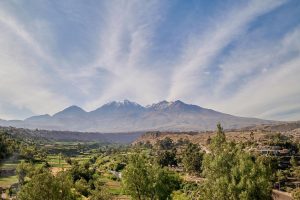
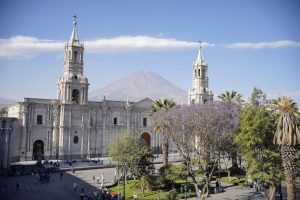
- Views of El Misti volcano
- UNESCO World Heritage surroundings
- Active cultural tourism site
- Symbol of city identity
It connects history with modern life.
Visitor Tips for Santa Catalina Monastery


How to Enjoy Your Visit Fully
A few tips make the experience smoother.
Key highlights:
- Visit early morning for quiet atmosphere
- Wear comfortable walking shoes
- Bring water and sun protection
- Join guided tours for history insights
- Respect quiet areas
Preparation enhances your journey.
Why Santa Catalina Monastery Is a Must-See in Peru

A Timeless City Inside Stone Walls
Santa Catalina Monastery is not just a monastery—it is a world of its own. With its colorful streets, peaceful courtyards, and centuries of history, it offers one of the most immersive cultural experiences in Peru.
For travelers seeking beauty, history, and silence in one place, Santa Catalina Monastery is an unforgettable highlight of Arequipa.