Silk Road – Journey Along the Legendary Trade Route That Connected Civilizations


Introduction
Silk Road is one of the most influential trade networks in human history. Stretching thousands of kilometers across Asia, the Middle East, and Europe, the Silk Road connected diverse cultures, religions, technologies, and economies for more than a millennium.
Far more than a trading route, the Silk Road became a bridge between civilizations, shaping the development of societies across continents and leaving a lasting legacy that can still be explored today.
The Birth of a World-Changing Network


How the Silk Road Began
The Silk Road emerged during the Han Dynasty around the 2nd century BC.
Its creation enabled:
- Trade between China and Central Asia
- Cultural exchanges across continents
- Diplomatic relationships between empires
- The movement of goods, ideas, and innovations
The route eventually expanded into a vast network connecting East Asia with Europe and Africa.
Why Silk Became the Route’s Most Famous Commodity


The Luxury Product That Fascinated the World
Chinese silk was highly prized by ancient civilizations.
Merchants transported:
- Fine silk fabrics
- Embroidered textiles
- Luxury garments
- Decorative materials
The popularity of silk among wealthy elites inspired the modern name “Silk Road.”
Beyond Trade: The Exchange of Ideas


A Highway of Knowledge and Innovation
The Silk Road carried much more than merchandise.
It facilitated the spread of:
- Buddhism
- Islam
- Scientific discoveries
- Artistic styles
- Languages and philosophies
These exchanges profoundly influenced the development of many civilizations.
The Great Cities of the Silk Road


Urban Centers That Shaped History
Several cities flourished because of Silk Road trade.
Notable destinations included:
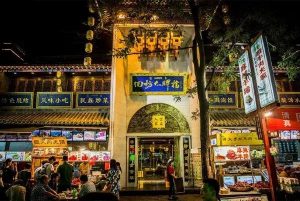
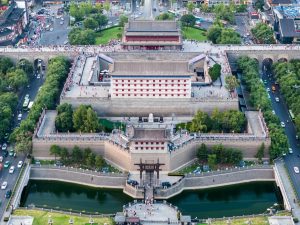
- Xi’an
- Dunhuang
- Kashgar
- Samarkand
- Bukhara
These cities became vibrant centers of commerce and cultural interaction.
Crossing Deserts, Mountains, and Wilderness


One of History’s Most Challenging Journeys
Traveling the Silk Road was far from easy.
Merchants faced:
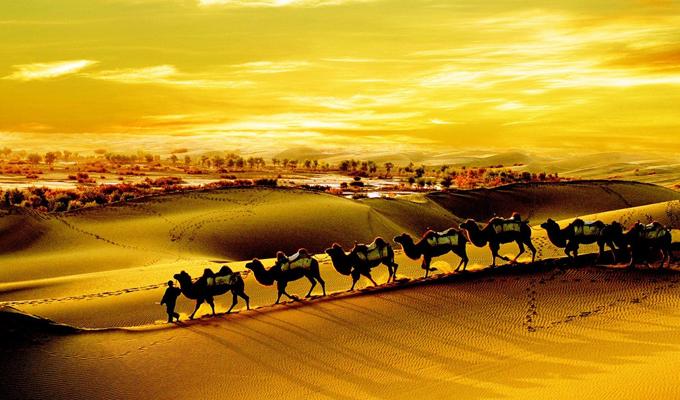
- Harsh deserts
- Extreme temperatures
- Mountain passes
- Sandstorms
- Bandit attacks
Despite these dangers, trade continued for centuries due to the enormous value of exchanged goods.
Buddhism’s Journey Across Asia


Spiritual Connections Across Continents
The Silk Road played a crucial role in spreading Buddhism from India into China and East Asia.
Travelers and monks transported:
- Sacred texts
- Religious teachings
- Artistic traditions
- Cultural practices
This exchange influenced countless temples, monuments, and communities throughout Asia.
Architectural Treasures Along the Route


Landmarks That Survived the Centuries
Today, visitors can still discover remarkable Silk Road heritage sites.
Highlights include:
- Ancient city walls
- Buddhist cave temples
- Caravanserais
- Mosques and mausoleums
- Historic trading centers
Many of these locations are recognized as UNESCO World Heritage Sites.
Experiencing the Silk Road in Modern China


Following the Ancient Route Today
Modern travelers can explore key Silk Road destinations across China.
Popular stops include:
- Xi’an
- Terracotta Army
- Dunhuang
- Turpan
- Kashgar
These destinations provide insight into the route’s historical importance.
Photography Opportunities Across the Silk Road


Capturing Epic Historical Landscapes
Photographers can enjoy:
- Vast desert panoramas
- Ancient ruins
- Mountain scenery
- Traditional architecture
- Cultural festivals
The diversity of landscapes makes the Silk Road one of the world’s most rewarding photography destinations.
Best Time to Explore Silk Road Destinations


Seasonal Travel Planning
Spring
- Mild temperatures
- Comfortable sightseeing
Summer
- Peak travel season
- Vibrant local activities
Autumn
- Clear skies
- Excellent photography conditions
Winter
- Fewer tourists
- Unique desert landscapes
Autumn is often considered the ideal season for Silk Road exploration.
Why the Silk Road Continues to Inspire Travelers


Following the Footsteps of Ancient Explorers
Silk Road remains one of humanity’s greatest stories of exploration, commerce, and cultural exchange. Its deserts, cities, monuments, and traditions reveal how civilizations connected long before the modern world.
Whether you are fascinated by history, culture, archaeology, or adventure travel, the Silk Road offers an unforgettable journey through the crossroads of civilizations.