Six Harmonies Pagoda – Hangzhou’s Majestic Riverside Tower of Ancient Engineering and River Views


Introduction
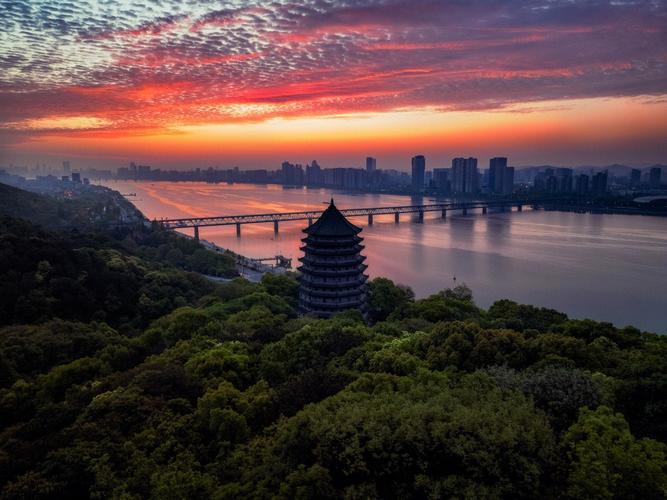
Six Harmonies Pagoda is one of the most impressive ancient pagodas in Hangzhou, standing proudly near the Qiantang River. Originally built during the Northern Song Dynasty, this towering structure is both a masterpiece of ancient Chinese architecture and a historic lighthouse for controlling river tides and navigation.
With its massive wooden interior and panoramic river views, it remains one of the most iconic cultural landmarks in Zhejiang.
A Tower Built to Control the Mighty Qiantang River


Engineering Against Natural Forces
Six Harmonies Pagoda was originally constructed to calm the powerful tidal forces of the Qiantang River.
Its historical purposes include:
- Acting as a flood control symbol
- Guiding river navigation
- Suppressing tidal surges in ancient belief
- Serving as a lighthouse for ships
- Demonstrating imperial engineering power
It represents both spiritual belief and practical function.
Architectural Masterpiece of the Song Dynasty


A Rare Surviving Ancient Structure
The pagoda is a remarkable example of ancient Chinese engineering.
Key architectural features:
- Multi-layered wooden interior frame
- Brick-and-wood hybrid structure
- Octagonal exterior design
- Spiral internal staircase
- Intricate roof eaves and carvings
It reflects the sophistication of Song Dynasty construction techniques.
Panoramic Views of the Qiantang River


A Strategic Viewpoint Over the Water
From the upper levels of Six Harmonies Pagoda, visitors can enjoy sweeping views of the river landscape.
Highlights include:
- Wide Qiantang River scenery
- Modern bridges and city skyline
- Forested hills surrounding the pagoda
- Sunset reflections on water
- Seasonal river tides
It offers one of the best viewpoints in Hangzhou.
The Legendary Qiantang River Tidal Bore


Nature’s Most Powerful River Phenomenon
The nearby Qiantang River is famous for its dramatic tidal bore.
Visitors come to witness:
- Massive incoming tidal waves
- Surges reaching several meters high
- Seasonal natural spectacle
- Large crowds observing the event
- Historical significance tied to the pagoda
It is one of the most powerful natural phenomena in China.
Climbing Inside the Wooden Core
A Journey Through Vertical Space
Inside the pagoda, visitors experience its complex structure.
Notable elements include:
- Wooden spiral staircases
- Narrow interior corridors
- Natural light through windows
- Massive supporting beams
- Multi-level observation points
It feels like walking inside a historical engineering model.
Forest Park Surroundings and Riverside Walks


A Peaceful Escape Along the River
The area surrounding the pagoda is calm and green.
Visitors can enjoy:
- Riverside walking paths
- Shaded forest parks
- Quiet seating areas
- Scenic viewpoints
- Relaxing natural environment
It is ideal for slow, peaceful exploration.
Cultural Symbolism and Historical Meaning


Harmony Between Humanity and Nature
The name “Six Harmonies” represents balance and unity.
It symbolizes:
- Heaven and Earth harmony
- East, West, South, North, plus above and below
- Balance between nature and humans
- Protection against natural disasters
- Cultural philosophy of unity
The pagoda reflects deep Chinese philosophical thinking.
Seasonal Beauty Around the Pagoda


A Landmark That Changes With the Seasons
Each season brings a different atmosphere:
Spring: fresh greenery and blossoms
Summer: lush riverside landscapes
Autumn: golden trees and warm light
Winter: misty, quiet river scenery
The pagoda remains visually striking year-round.
Nearby Attractions Along the Qiantang River Area


Explore More of Hangzhou’s Riverside Zone
Nearby attractions include:
- Qiantang River scenic bridges
- Riverside parks and promenades
- Modern Binjiang skyline area
- West Lake district (further inland)
- Cultural exhibition zones
It connects historic and modern Hangzhou.
Why Six Harmonies Pagoda Is a Masterpiece of Ancient China


A Perfect Blend of Engineering, Nature, and Philosophy
Six Harmonies Pagoda stands as one of China’s most important ancient towers. Combining defensive engineering, Buddhist philosophy, architectural mastery, and stunning river scenery, it remains a symbol of human ingenuity and harmony with nature.
For travelers, it offers history, landscape beauty, and cultural depth in one destination.