Taj Mahal – The Timeless Wonder of Love and Architectural Perfection


Introduction
Taj Mahal is one of the world’s most celebrated landmarks and a masterpiece of Mughal architecture. Built as a symbol of eternal love, this magnificent white-marble mausoleum attracts millions of visitors every year who come to admire its breathtaking beauty, intricate craftsmanship, and rich history.
Recognized as a UNESCO World Heritage Site and one of the New Seven Wonders of the World, the Taj Mahal remains India’s most iconic attraction.
Unveiling the Romantic Story Behind the Monument


A Monument Built for Eternal Love
The Taj Mahal was created from a profound love story.
Key highlights:
- Commissioned by Emperor Shah Jahan
- Built in memory of Mumtaz Mahal
- Construction began in 1632
- Symbolizes everlasting devotion
- One of history’s greatest romantic tributes
Its story continues to inspire visitors worldwide.
Admiring the Brilliant White Marble Design


A Masterpiece Crafted in Stone
The monument showcases extraordinary craftsmanship.
Key highlights:
- Built from white Makrana marble
- Perfect architectural symmetry
- Intricate floral carvings
- Delicate inlaid gemstones
- Remarkable engineering precision
Every detail reflects artistic excellence.
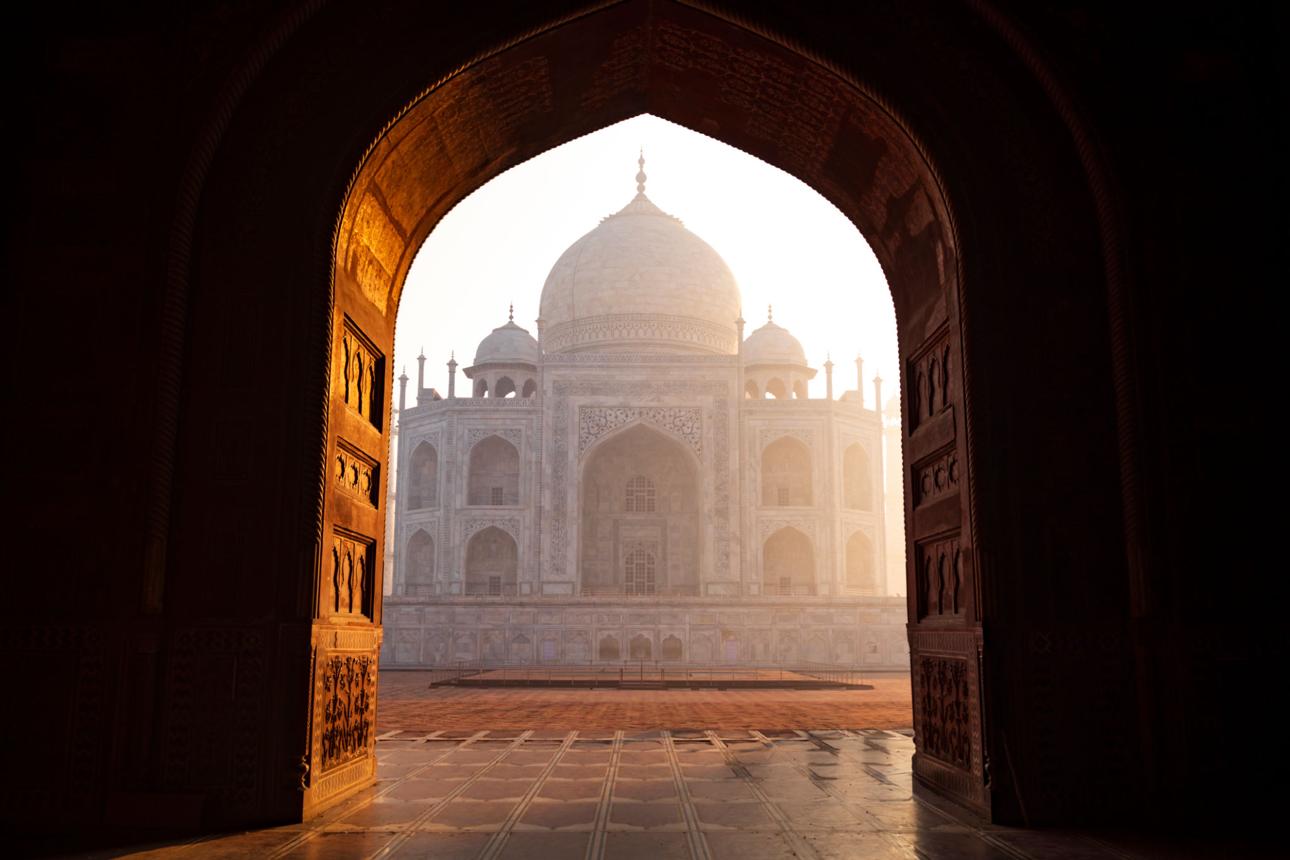
Experiencing the Beauty of Sunrise


The Most Magical Time to Visit
Sunrise transforms the monument into a dreamlike spectacle.
Key highlights:
- Soft golden illumination
- Fewer visitors
- Cooler temperatures
- Stunning photography opportunities
- Changing marble colors
Many travelers consider sunrise the ultimate Taj Mahal experience.
Exploring the Elegant Mughal Gardens


A Perfect Balance of Nature and Architecture
The gardens are an essential part of the monument’s beauty.
Key highlights:
- Traditional Charbagh layout
- Reflecting water channels
- Geometric pathways
- Symmetrical landscaping
- Peaceful atmosphere
The design enhances the monument’s grandeur.
Discovering the Intricate Artistic Details


Hidden Masterpieces Within the Monument
The closer you look, the more beauty emerges.
Key highlights:
- Precious stone inlays
- Islamic calligraphy
- Floral motifs
- Handcrafted marble screens
- Exceptional artisan work
The craftsmanship remains astonishing centuries later.
Viewing the Monument from Across the Yamuna River


A Different Perspective on an Icon
Alternative viewpoints reveal new dimensions of the monument.
Key highlights:
- Panoramic photography opportunities
- Sunset viewing locations
- Less crowded surroundings
- Scenic river landscapes
- Unique angles of the Taj Mahal
These perspectives are often overlooked by visitors.
Understanding Its UNESCO Legacy


A Global Symbol of Human Achievement
The Taj Mahal holds immense cultural significance.
Key highlights:
- UNESCO World Heritage Site
- New Seven Wonders of the World
- International cultural icon
- Architectural masterpiece
- Historic preservation success
Its influence extends far beyond India.
Capturing Extraordinary Photographs


One of the World’s Most Photogenic Landmarks
Photographers are drawn to its beauty.
Key highlights:
- Symmetrical compositions
- Reflection pool shots
- Sunrise portraits
- Architectural details
- Wide-angle perspectives
Every corner offers a memorable image.
Essential Tips Before Your Visit


Planning for a Smooth Experience
Preparation helps maximize your visit.
Key highlights:
- Arrive early in the morning
- Purchase tickets in advance
- Follow monument regulations
- Wear comfortable walking shoes
- Allocate several hours for exploration
Good planning ensures a memorable experience.
Why the Taj Mahal Continues to Captivate the World


A Monument Beyond Time
Taj Mahal is far more than a historic structure. It is a symbol of love, artistic genius, and cultural heritage that has inspired generations of travelers. Its stunning architecture, emotional story, and timeless beauty make it one of the most unforgettable destinations on Earth.
For anyone visiting India, the Taj Mahal remains an essential and truly extraordinary experience.