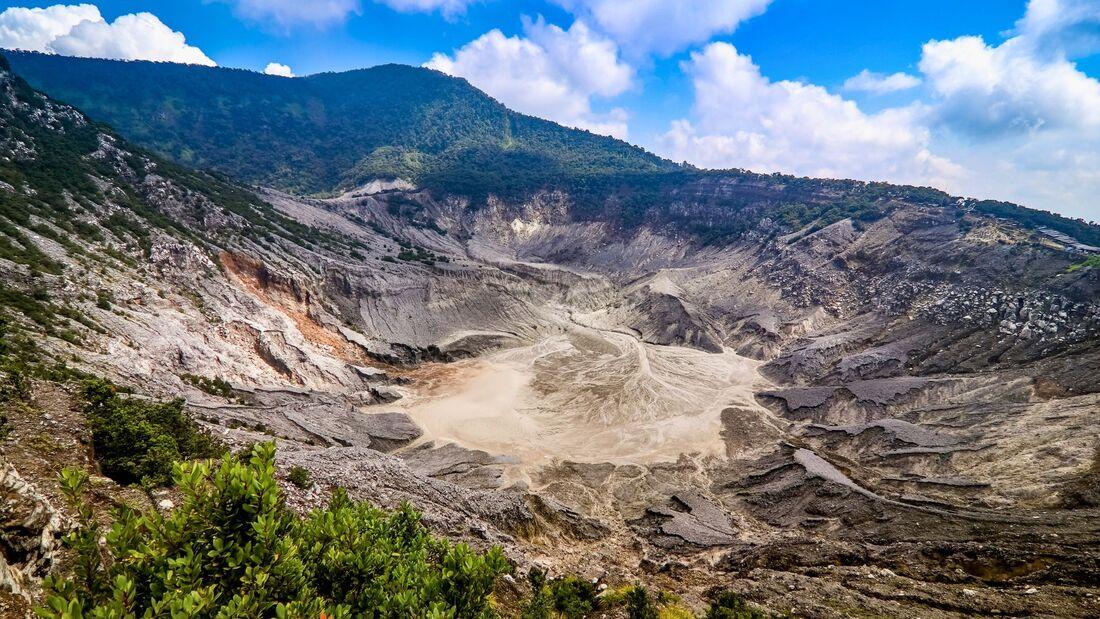
Tangkuban Perahu – Indonesia’s Legendary Volcano with Stunning Craters and Mountain Views


Introduction
Tangkuban Perahu is one of Indonesia’s most famous volcanoes, attracting visitors with its dramatic craters, cool mountain climate, and fascinating local legends. Located just north of Bandung, this active stratovolcano offers travelers the rare opportunity to stand on the rim of a massive crater and witness volcanic activity up close.
Combining natural beauty, geological significance, and cultural heritage, Tangkuban Perahu remains one of West Java’s most iconic attractions.
Uncovering the Legend Behind the Mountain


A Volcano Shaped by Myth and Tradition
The mountain is closely tied to Sundanese folklore.
Key highlights:
- Connected to the legend of Sangkuriang
- Name means “upturned boat”
- Important cultural symbol in West Java
- Popular subject in local storytelling
- Blends nature with mythology
The legend adds a unique dimension to every visit.
Standing on the Rim of Kawah Ratu


The Volcano’s Most Spectacular Attraction
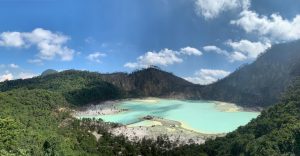
Kawah Ratu is the volcano’s largest and most visited crater.
Key highlights:
- Massive volcanic basin
- Easily accessible viewpoints
- Active geothermal activity
- Stunning panoramic scenery
- Unique volcanic landscape
It offers visitors a front-row seat to nature’s power.
Witnessing Active Volcanic Activity


A Living Geological Wonder
Signs of volcanic activity remain visible throughout the area.
Key highlights:
- Steam rising from vents
- Sulfur-rich terrain
- Geothermal formations
- Constant geological change
- Educational natural experience
The landscape reveals the Earth’s dynamic forces.
Enjoying the Refreshing Mountain Climate


An Escape from Tropical Heat
The volcano’s elevation creates pleasant conditions.
Key highlights:
- Cooler temperatures
- Fresh mountain air
- Scenic forest surroundings
- Comfortable hiking environment
- Relaxing atmosphere
Many visitors appreciate the refreshing change from city weather.
Exploring Nearby Craters and Trails


Discovering More Than One Volcanic Landscape
Several fascinating areas surround the main crater.
Key highlights:
- Secondary crater viewpoints
- Forest walking trails
- Geothermal exploration zones
- Nature photography opportunities
- Diverse volcanic terrain
Each section offers a different perspective of the volcano.
Capturing Extraordinary Volcano Photography


A Dream Destination for Landscape Photographers
The scenery is both dramatic and unique.
Key highlights:
- Crater panoramas
- Atmospheric steam effects
- Mountain vistas
- Wide-angle landscape shots
- Dynamic natural textures
Photographers will find endless inspiration.
Discovering Local Culture Around Bandung


A Gateway to Sundanese Heritage
The region offers rich cultural experiences.
Key highlights:
- Traditional Sundanese traditions
- Local culinary specialties
- Handcrafted souvenirs
- Rural village life
- Regional cultural attractions
Visitors can combine nature with cultural exploration.
Finding the Best Time to Visit


Timing Your Adventure for Clearer Views
Weather conditions greatly influence visibility.
Key highlights:
- Early mornings often provide best views
- Cooler temperatures throughout the day
- Dry season offers clearer skies
- Less crowding during weekdays
- Better photography opportunities
Planning ahead enhances the experience.
Helpful Travel Tips Before You Go


Preparing for a Comfortable Visit
A few essentials can improve your journey.
Key highlights:
- Wear comfortable walking shoes
- Bring a light jacket
- Carry drinking water
- Check volcanic activity updates
- Protect cameras from sulfur exposure
Simple preparation makes the visit more enjoyable.
Why Tangkuban Perahu Is One of Indonesia’s Must-Visit Volcanoes


Where Nature, Science, and Legend Meet
Tangkuban Perahu offers an unforgettable combination of volcanic landscapes, cultural legends, and breathtaking mountain scenery. Whether you’re fascinated by geology, photography, or Indonesian folklore, this remarkable volcano delivers an experience unlike any other.
For travelers exploring West Java, Tangkuban Perahu stands as one of Indonesia’s most accessible and rewarding natural wonders.