UNESCO World Heritage Sites in Greece – Timeless Treasures of History and Culture


Greece is home to some of the world’s most extraordinary UNESCO World Heritage Sites, where ancient history, breathtaking landscapes, and timeless cultural traditions come together. From legendary temples and ancient cities to cliffside monasteries and archaeological wonders, Greece preserves thousands of years of human civilization.
These UNESCO-protected sites attract millions of travelers every year who come to experience the birthplace of democracy, philosophy, mythology, and classical art.
Why Greece Has So Many UNESCO World Heritage Sites


Greece played a central role in shaping Western civilization and preserving ancient cultural achievements.
The country is internationally recognized for:
- ancient temples
- archaeological ruins
- Byzantine monasteries
- historic cities
- classical architecture
- spiritual heritage
UNESCO protects these sites because of their outstanding historical and cultural importance to humanity.
Acropolis of Athens – The Symbol of Ancient Greece


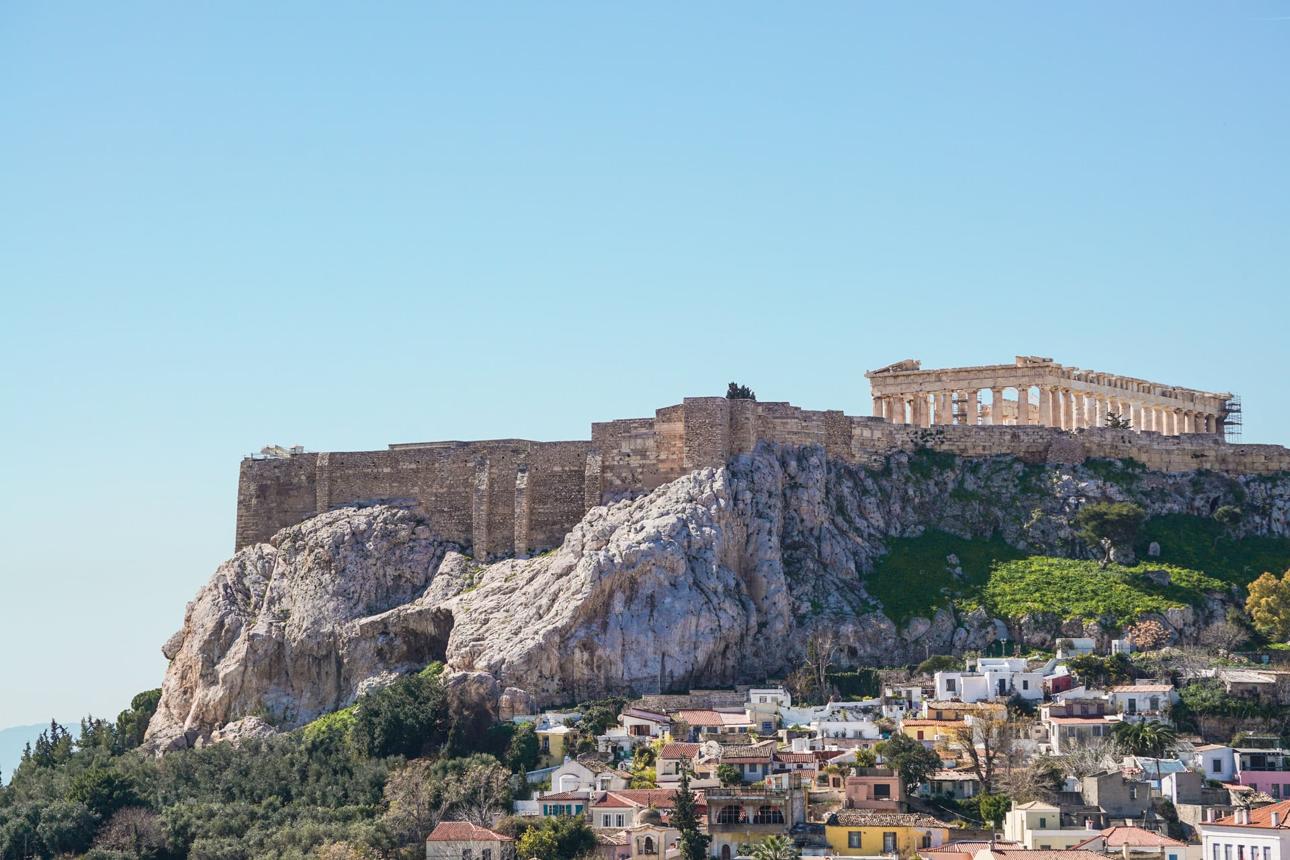
Acropolis of Athens is Greece’s most famous UNESCO World Heritage Site.
Overlooking Athens, the Acropolis contains legendary structures including:
- Parthenon
- Erechtheion
- Temple of Athena Nike
The Acropolis represents the artistic and intellectual achievements of ancient Greece.
Meteora – Monasteries Suspended Above the Clouds


Meteora is one of the most surreal UNESCO sites in the world.
The region is famous for:
- giant rock formations
- cliffside monasteries
- breathtaking mountain scenery
- spiritual Orthodox heritage
The dramatic landscape creates one of Europe’s most unforgettable travel experiences.
Delphi – The Sacred Center of the Ancient World


Delphi was once considered the center of the ancient world in Greek mythology.
Visitors can explore:
- the Temple of Apollo
- ancient theaters
- sacred pathways
- archaeological museums
Delphi remains one of the most important historical destinations in Greece.
Ancient Olympia – Birthplace of the Olympic Games


Olympia is globally famous as the birthplace of the ancient Olympic Games.
The site features:
- ancient stadium ruins
- temples
- training grounds
- historical monuments
Olympia symbolizes the origins of international sports culture and athletic competition.
Medieval and Byzantine Heritage


Greece also preserves remarkable medieval and Byzantine UNESCO sites.
These include:
- ancient monasteries
- historic churches
- fortified towns
- Byzantine mosaics and artwork
These landmarks reveal the spiritual and artistic evolution of Greek civilization through the centuries.
Why Travelers Love Visiting UNESCO Sites in Greece


UNESCO sites in Greece offer unforgettable experiences combining:
- history
- archaeology
- architecture
- mythology
- natural beauty
- cultural exploration
Travelers can experience both ancient civilization and stunning Mediterranean landscapes in a single journey.
Best Time to Explore Greece’s Heritage Sites


The best seasons for cultural travel in Greece are:
Spring and Autumn
These periods offer pleasant temperatures and fewer crowds.
Early Morning Visits
Morning visits provide cooler weather and softer lighting for photography.
Guided Tours
Professional tours help visitors better understand the history and mythology behind the monuments.
Helpful Tips Before Visiting UNESCO Sites


Useful travel tips before visiting:
- Wear comfortable walking shoes
- Bring water and sunscreen
- Respect preservation rules
- Visit museums connected to archaeological sites
- Allow enough time for exploration
A Journey Through the Origins of Civilization
Greece’s UNESCO World Heritage Sites offer an extraordinary journey through thousands of years of human history, art, spirituality, and culture. From ancient temples and legendary archaeological ruins to surreal monasteries and medieval treasures, these sites preserve some of humanity’s greatest achievements.
For travelers passionate about history, mythology, architecture, and breathtaking landscapes, Greece remains one of the world’s most remarkable cultural destinations.