Yakushi-ji Temple – Nara’s Temple of Healing Light


Introduction
Yakushi-ji is one of the most important Buddhist temples in Japan and a UNESCO World Heritage Site located in the ancient capital of Nara. Known as the “Temple of Medicine Buddha,” it was founded to pray for the recovery of Emperor Tenmu’s wife and symbolizes healing, protection, and spiritual balance.
With its symmetrical layout and iconic pagodas, Yakushi-ji is considered a masterpiece of early Japanese Buddhist architecture.
A Temple Born from Imperial Devotion


The Origins of a Sacred Healing Place
The history of Yakushi-ji dates back to the late 7th century.
Key highlights:
- Founded by Emperor Tenmu
- Dedicated to Yakushi Nyorai (Medicine Buddha)
- Built for healing prayers and recovery
- Major temple of the Nara period
- Reconstructed multiple times over centuries
Its spiritual origin gives the temple a deeply compassionate meaning.
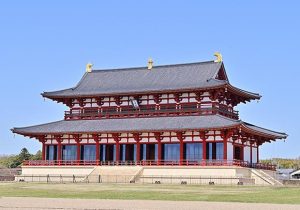
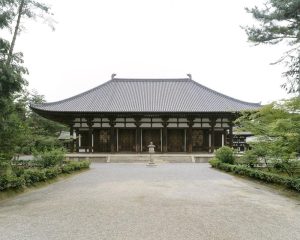
The Iconic Golden Hall (Kondō)


A Masterpiece of Buddhist Architecture
The Golden Hall of Yakushi-ji is one of its most sacred structures.
Key highlights:
- Central worship hall of the temple
- Elegant classical Buddhist design
- Houses important Buddha statues
- Symbol of spiritual devotion
- Carefully reconstructed historical structure
Its refined proportions reflect early Japanese religious architecture.
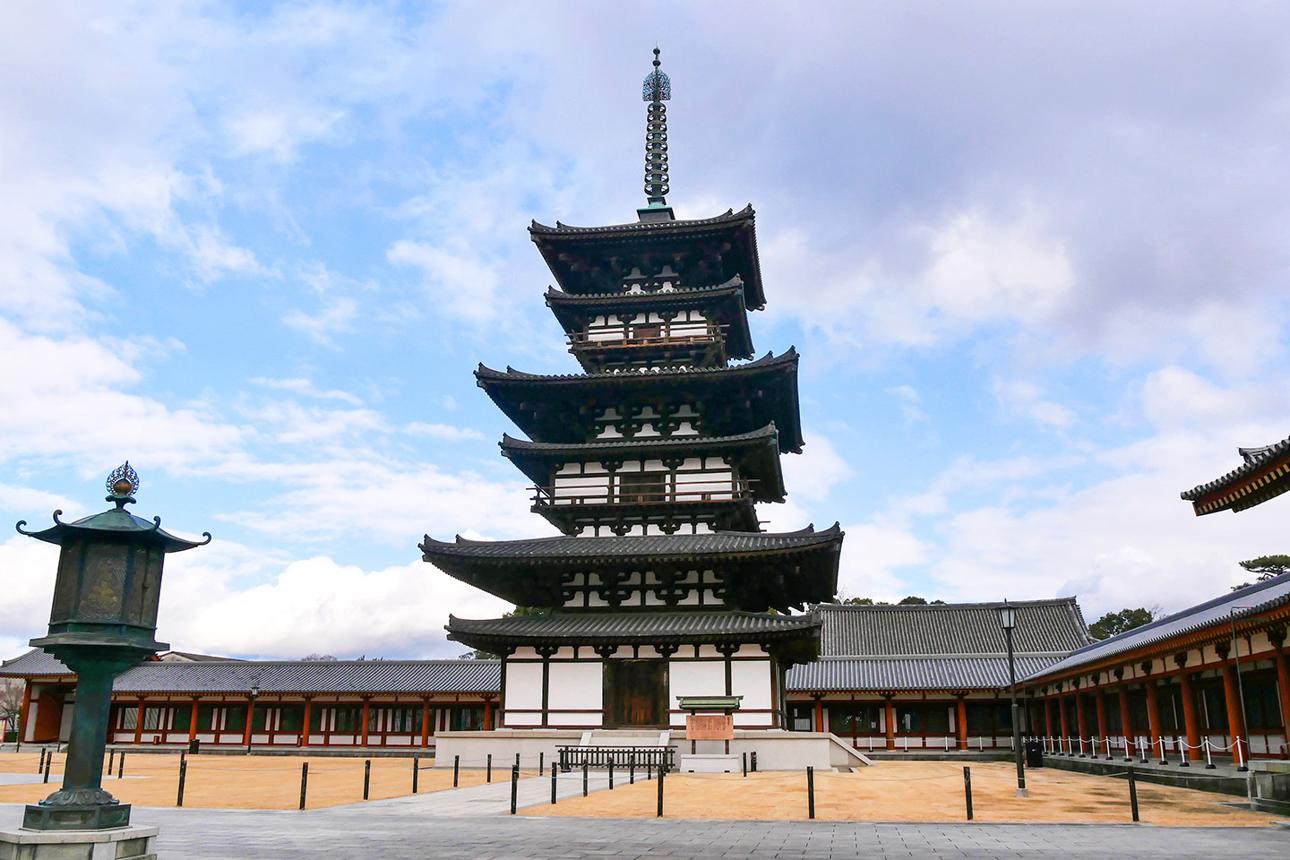
The Famous East Pagoda – A National Treasure


A Rare Architectural Survivor
The East Pagoda of Yakushi-ji is one of the few original structures from the temple’s early history.
Key highlights:
- Original 8th-century structure
- Unique surviving pagoda from Nara period
- Three-tiered elegant design
- National treasure of Japan
- Symbol of architectural resilience
It stands as a rare connection to ancient Japan.
Symmetry That Defines Sacred Design


Perfect Balance in Temple Planning
Yakushi-ji is famous for its highly symmetrical layout.
Key highlights:
- Balanced East and West pagoda design
- Structured temple geometry
- Harmonious spatial arrangement
- Influence on Japanese architecture
- Representation of Buddhist cosmology
The layout reflects deep philosophical principles of order and harmony.
Sacred Statues of the Medicine Buddha


The Spiritual Core of the Temple
At the heart of Yakushi-ji lies the revered Yakushi Nyorai statue.
Key highlights:
- Representation of healing Buddha
- Central object of worship
- Intricate Buddhist craftsmanship
- Symbol of health and protection
- Deep spiritual significance
Many visitors come to pray for wellness and peace.
A Peaceful Temple Surrounded by Nature


Serenity Beyond the City Center
Unlike central Nara attractions, Yakushi-ji is located in a quieter area.
Key highlights:
- Calm suburban surroundings
- Open natural landscapes
- Minimal tourist crowds
- Peaceful walking environment
- Ideal for reflection and meditation
The setting enhances its spiritual atmosphere.
Seasonal Beauty Enhancing Ancient Walls


Nature Surrounding Sacred Architecture
The appearance of Yakushi-ji changes beautifully throughout the year.
Key highlights:
- Spring cherry blossoms
- Summer greenery
- Autumn maple colors
- Winter calm landscapes
- Photogenic temple scenery
Each season highlights different aspects of the temple’s beauty.
A Key Stop in Nara’s Buddhist Heritage Route


Explore Beyond Central Nara
Yakushi-ji is often visited alongside other major temples in Nara.
Key highlights:
- Part of UNESCO World Heritage sites
- Connected to other historic temples
- Important Buddhist pilgrimage site
- Rich cultural learning experience
- Ideal for full-day Nara itinerary
It plays a key role in understanding ancient Japanese Buddhism.
Why Yakushi-ji Temple Is a Must-See in Nara


Experience the Spirit of Healing and Harmony
Yakushi-ji combines sacred history, architectural symmetry, and spiritual meaning into one of Japan’s most important Buddhist temples. From its iconic East Pagoda to the serene Golden Hall, it remains a powerful symbol of healing, balance, and cultural heritage.