Japanese Scientists Develop Groundbreaking DNA Assembly Method Using Silver Nanoparticles
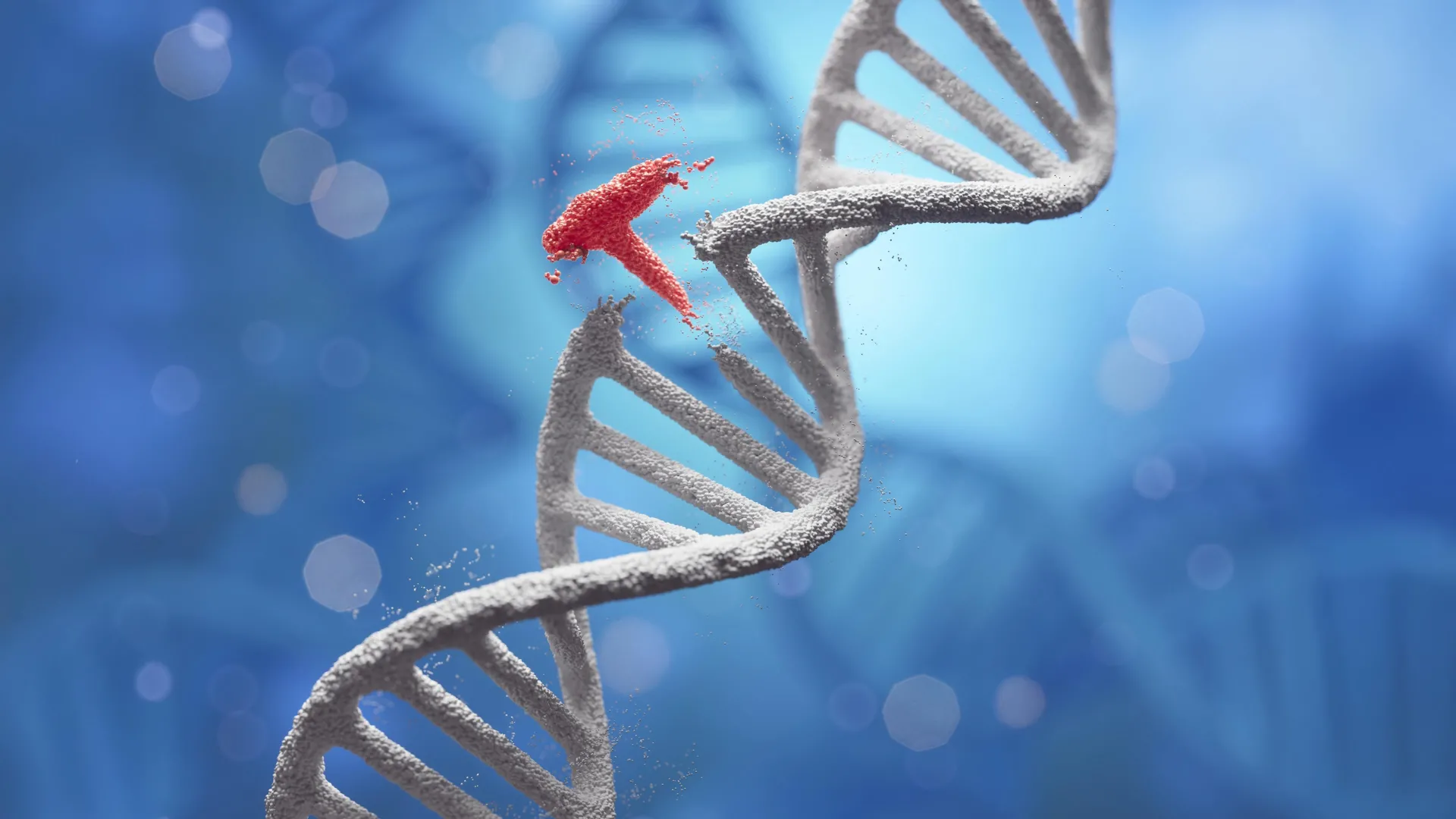
Revolutionizing DNA Assembly with Silver Nanoparticles
Scientists at Nagoya University in Japan have made a significant breakthrough in DNA assembly technology using silver nanoparticles. This innovative method has the potential to revolutionize the field of genetic engineering and has numerous applications in medicine, agriculture, and biotechnology.
DNA assembly is a crucial process in genetic engineering, where DNA fragments are joined together to create new genetic constructs. However, the existing methods for DNA assembly have limitations, including low efficiency and specificity. The conventional method of using restriction enzymes to cut DNA and T4 DNA ligase to connect the fragments has its drawbacks, including the production of short sticky ends, which can reduce the efficiency of the joining process.
To address these limitations, the Japanese researchers developed a novel method that uses silver nanoparticles to cut and reconnect DNA at targeted sites. The technique involves coating the silver nanoparticles with polyethylene glycol (PEG) to improve their stability and dispersion. The PEG-modified silver nanoparticles were found to be highly efficient in cutting DNA, with a cleavage efficiency of up to 92% at 37°C.
The researchers also observed that the silver nanoparticles produced DNA fragments with long sticky ends, which are difficult to generate using conventional restriction enzymes. When these fragments were connected using T4 DNA ligase, the joining efficiency was found to be twice as high as with traditional methods.
The team led by Professor Hiroshi Abe and Assistant Professor Masahito Inagaki at Nagoya University, in collaboration with Professor Natsuhisa Oka at Gifu University, investigated the potential of silver nanoparticles in DNA assembly. The researchers replaced silver ions with silver nanoparticles, which were found to be more effective in cutting DNA and producing long sticky ends.
The findings of this study were published in the journal Nucleic Acids Research and have the potential to revolutionize the field of DNA assembly. The technique has numerous applications in medicine, agriculture, and biotechnology, including the development of new treatments for genetic diseases, improved crop breeding, and the creation of animal models for drug development.
The researchers are now working to determine whether the technique can be used to connect multiple DNA fragments at the same time, a key step for building genome-scale DNA. This breakthrough has the potential to open up new avenues for genetic engineering and has far-reaching implications for various fields of research.