Meiji Shrine – Tokyo’s Sacred Forest Retreat of Shinto Traditions, Majestic Torii Gates, Imperial Legacy, and Tranquil Urban Nature


Introduction
Meiji Shrine is one of Japan’s most important Shinto shrines, dedicated to Emperor Meiji and Empress Shoken. Located near the bustling districts of Shibuya and Harajuku, the shrine offers a remarkable contrast between Tokyo’s fast-paced urban life and the serenity of a vast sacred forest.
Surrounded by thousands of trees, Meiji Shrine provides visitors with a peaceful escape while preserving the spiritual traditions and imperial heritage of modern Japan.
Towering Torii Gates and the Entrance to Sacred Grounds


A Grand Gateway into Spiritual Serenity
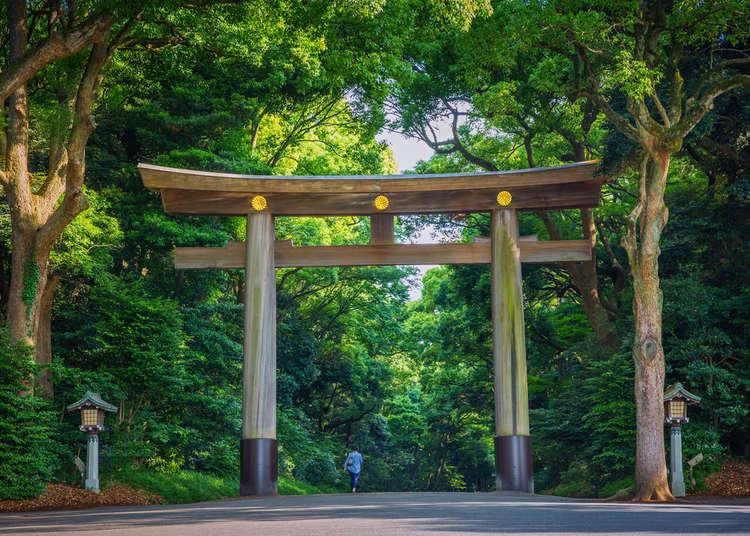
The approach to Meiji Shrine begins beneath enormous wooden torii gates.
Key highlights:
- Massive traditional torii structures
- Symbolic transition into sacred space
- Forest-lined walking paths
- Historic Shinto architectural elements
- One of Tokyo’s most iconic shrine entrances
The gates create an immediate sense of calm and reverence.
A Vast Man-Made Forest in the Heart of Tokyo


Nature Preserved Within a Modern Metropolis
One of the most remarkable features of Meiji Shrine is its extensive forest.
Key highlights:
- Thousands of donated trees
- Diverse plant species from across Japan
- Quiet natural surroundings
- Extensive walking trails
- Unique urban ecological sanctuary
The forest creates a natural barrier that separates visitors from the noise of the city.
Main Sanctuary and Traditional Shinto Architecture


A Place of Worship and Reflection
At the center of Meiji Shrine stands the main sanctuary complex.
Key highlights:
- Elegant Shinto architectural design
- Traditional cypress wood construction
- Sacred worship spaces
- Historical and cultural significance
- Active religious ceremonies
The shrine remains an important place of devotion for visitors and worshippers alike.
Imperial Connections and Historical Significance


Honoring a Transformative Era
Meiji Shrine commemorates Emperor Meiji and Empress Shoken.
Key highlights:
- Dedicated to imperial figures
- Symbol of the Meiji Restoration era
- Reflection of Japan’s modernization journey
- Important national cultural site
- Strong historical legacy
The shrine serves as a lasting tribute to a pivotal chapter in Japanese history.
Traditional Rituals and Living Shinto Culture


Experiencing Japan’s Spiritual Heritage
Visitors to Meiji Shrine can observe or participate in traditional customs.
Key highlights:
- Prayer offerings and rituals
- Ema wooden wish plaques
- Sacred purification practices
- Seasonal religious ceremonies
- Authentic Shinto cultural experiences
These traditions connect modern visitors with centuries of Japanese spirituality.
Seasonal Beauty Throughout the Shrine Grounds

A Landscape That Evolves Across the Year
The grounds of Meiji Shrine offer changing scenery throughout every season.
Key highlights:
- Fresh greenery in spring
- Dense forest shade during summer
- Vibrant autumn colors
- Quiet winter atmosphere
- Excellent nature photography opportunities
Each season reveals a different character of the shrine.
Traditional Weddings and Cultural Celebrations


Witnessing Living Traditions
Meiji Shrine is a popular location for traditional ceremonies.
Key highlights:
- Traditional Shinto weddings
- Cultural processions
- Seasonal celebrations
- Historic ceremonial customs
- Authentic Japanese cultural experiences
These events showcase the enduring importance of Shinto traditions in contemporary Japan.
Why Meiji Shrine Remains Tokyo’s Most Peaceful Spiritual Escape


A Sanctuary Between Nature and History
Meiji Shrine offers a rare combination of spiritual heritage, imperial history, and natural beauty. Hidden within a vast forest yet located in the center of Tokyo, it remains one of Japan’s most meaningful and peaceful destinations.