Toshodai-ji Temple – Nara’s Serene Monastic Treasure


Introduction
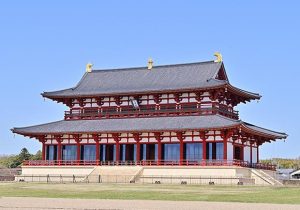
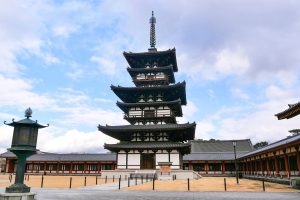
Toshodai-ji is one of the most important Buddhist temples in Nara and a UNESCO World Heritage Site. Founded by the legendary Chinese monk Ganjin in the 8th century, the temple is admired for its tranquil atmosphere, elegant architecture, and deep spiritual significance.
Unlike many grand temples in Nara, Toshodai-ji stands out for its simplicity, harmony, and preserved classical style, offering visitors a peaceful cultural retreat.
The Legacy of Master Ganjin


A Temple Born from Determination and Faith
The story of Toshodai-ji begins with Ganjin, who traveled from China to Japan to spread Buddhist teachings.
Key highlights:
- Founded in 759 AD
- Established by Chinese monk Ganjin
- Center of Ritsu Buddhism
- Important cultural exchange between China and Japan
- UNESCO World Heritage recognition
The temple represents dedication to preserving Buddhist discipline and teachings.
The Golden Hall – A National Treasure


One of Japan’s Oldest Wooden Structures
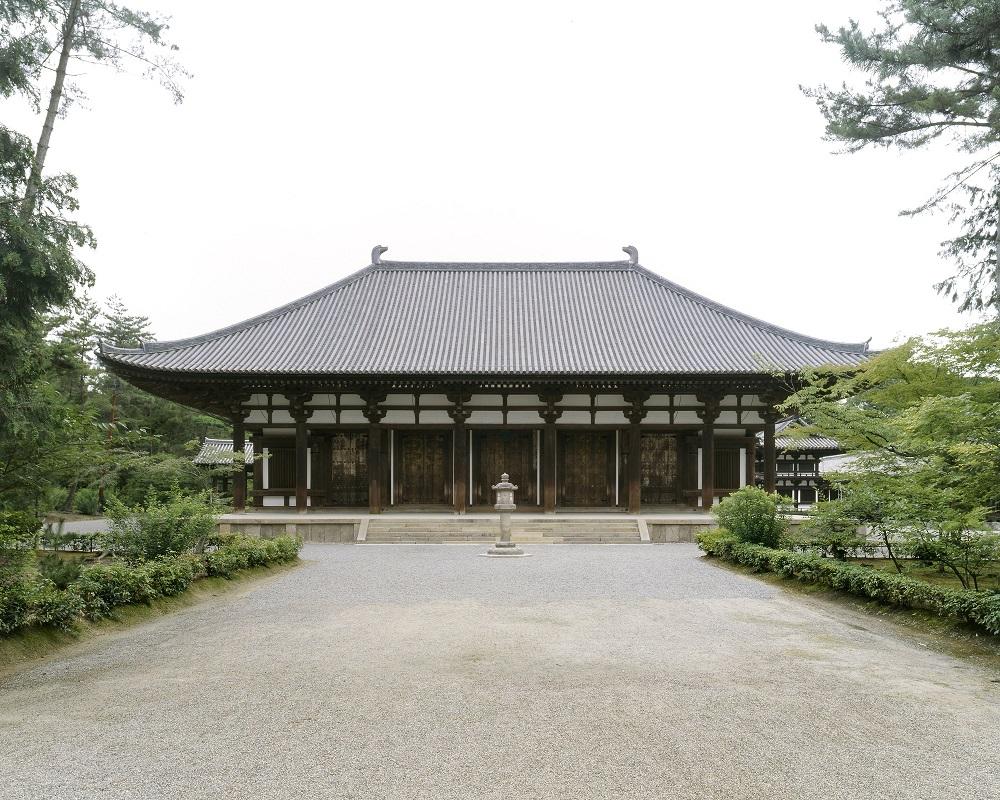
The Golden Hall of Toshodai-ji is one of the most remarkable surviving buildings from the Nara period.
Key highlights:
- National Treasure of Japan
- One of the oldest wooden structures in the country
- Classic Tang Dynasty architectural influence
- Simple yet elegant design
- Central worship hall of the temple
Its authenticity makes it an invaluable cultural asset.
Quiet Monastic Atmosphere


A Place for Reflection and Stillness
Toshodai-ji is known for its calm and meditative environment.
Key highlights:
- Low tourist crowds
- Peaceful walking paths
- Traditional monastic setting
- Ideal for meditation
- Strong spiritual atmosphere
The temple encourages quiet reflection and inner peace.
Beautifully Preserved Lecture Hall


Center of Buddhist Learning
The Lecture Hall at Toshodai-ji reflects its educational purpose.
Key highlights:
- Used for Buddhist teachings
- Historic wooden structure
- Preserved classical architecture
- Symbol of monastic learning
- Important cultural property
It represents the intellectual side of Buddhist tradition.
Elegant Temple Gardens and Natural Harmony


Nature and Spirituality in Balance
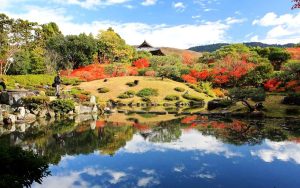
The grounds of Toshodai-ji feature carefully maintained gardens.
Key highlights:
- Traditional Japanese landscaping
- Seasonal flower displays
- Calm garden pathways
- Natural harmony design
- Peaceful visual aesthetics
The gardens enhance the temple’s serene character.
Seasonal Transformations of the Temple
A Different Mood in Every Season
Toshodai-ji changes beautifully throughout the year.
Key highlights:
- Cherry blossoms in spring
- Fresh greenery in summer
- Vibrant autumn foliage
- Quiet winter scenery
- Excellent photography opportunities
Each season enhances its peaceful atmosphere.
A Hidden Gem in Nara’s Temple Landscape


A Calm Alternative to Busy Attractions
Unlike more crowded sites, Toshodai-ji remains relatively quiet.
Key highlights:
- Less tourist congestion
- Authentic monastic experience
- Preserved historical atmosphere
- Ideal for cultural exploration
- Peaceful travel destination
It offers a deeper, more intimate look into Nara’s Buddhist heritage.
Why Toshodai-ji Temple Is Worth Visiting


Experience Pure Buddhist Simplicity
Toshodai-ji is a rare example of early Japanese Buddhist architecture preserved in its most authentic form. With its historic Golden Hall, serene gardens, and spiritual calmness, it offers a meaningful experience for travelers seeking culture, history, and tranquility in Nara.