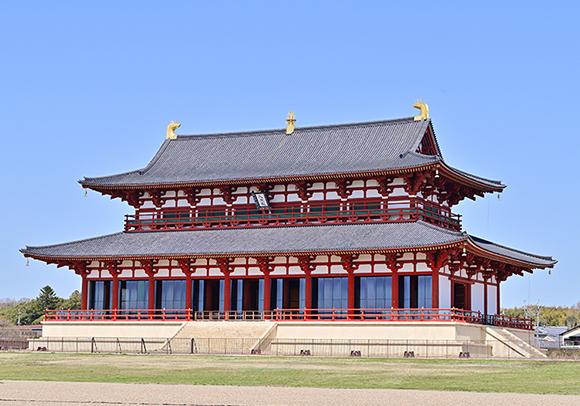
Heijo Palace – Ancient Capital of Nara Japan


Introduction
Heijo Palace was once the imperial residence and political center of Japan during the Nara period (710–784). Today, it stands as a UNESCO World Heritage Site and an important archaeological area that preserves the memory of Japan’s first permanent capital, Heijō-kyō.
Visitors can explore vast open grounds, reconstructed buildings, and historical exhibits that bring ancient imperial life back to imagination.
The Heart of Japan’s First Permanent Capital


A Political Center of Ancient Japan
The site of Heijo Palace served as the administrative core of Japan for over 70 years.
Key highlights:
- Established in 710 AD
- Capital of the Nara period
- Modeled after Chinese Chang’an city
- Center of imperial government
- Major cultural and political hub
It marked the beginning of centralized imperial rule in Japan.
The Grand Audience Hall Reconstruction


Symbol of Imperial Authority
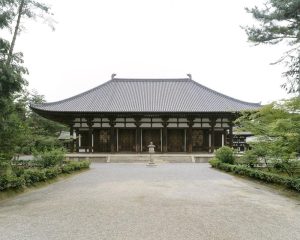
The reconstructed Daigokuden Hall at Heijo Palace represents the main ceremonial space of the ancient court.
Key highlights:
- Restored imperial audience hall
- Used for official ceremonies
- Based on archaeological findings
- Traditional wooden architecture
- Symbol of ancient governance
It helps visitors visualize the grandeur of the imperial court.
Expansive Archaeological Grounds


A Landscape of History and Space
The grounds of Heijo Palace are mostly open fields that preserve the original layout of the capital.
Key highlights:
- Large open archaeological site
- Preserved foundation remains
- Grid layout of ancient city
- Quiet walking environment
- Historical excavation zones
The vast space reflects the scale of the ancient capital.
Heijokyo Exhibition Hall Experience


Understanding the Ancient Capital
The museum at Heijo Palace provides detailed insights into its history.
Key highlights:
- Scale models of ancient city
- Archaeological artifacts
- Interactive historical displays
- Educational exhibitions
- Reconstruction explanations
It helps visitors understand how the capital functioned in daily life.
Seasonal Scenery Across the Ruins


Nature Blending with History
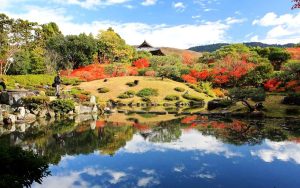
The open landscape of Heijo Palace changes beautifully through the seasons.
Key highlights:
- Cherry blossoms in spring
- Green summer fields
- Golden autumn grasslands
- Quiet winter scenery
- Ideal photography environment
Nature gently frames the ancient ruins.
Walking Through the Ancient Capital Grid


Discover the Structure of Old Japan
Heijo Palace reflects a highly organized city plan inspired by Chinese urban design.
Key highlights:
- Grid-style city planning
- Straight road alignments
- Administrative zoning system
- Walkable historical paths
- Clear urban structure remains
It reveals advanced planning for its time.
Cultural Significance of the Nara Period


Foundation of Classical Japanese Civilization
Heijo Palace represents a key era in Japanese history.
Key highlights:
- Development of Buddhism in Japan
- Growth of written culture
- Strengthening of imperial rule
- Cultural exchange with China
- Formation of early Japanese state
The Nara period shaped Japan’s identity.
A Peaceful Historic Park Experience


A Calm Destination for Exploration
Today, Heijo Palace is a relaxing open park suitable for all visitors.
Key highlights:
- Free entry open space
- Family-friendly environment
- Quiet walking paths
- Cultural sightseeing spot
- Relaxing atmosphere
It blends education with leisure.
Why Heijo Palace Is a Must-Visit in Nara


Step Into Japan’s First Imperial Capital
Heijo Palace offers a unique journey into Japan’s ancient past. With its reconstructed imperial hall, vast archaeological grounds, and deep historical importance, it stands as one of the most significant cultural sites in Nara.