Bonds or Bitcoin? We Asked Four AI Models Which Asset to Buy Now
Investing in Uncertain Times
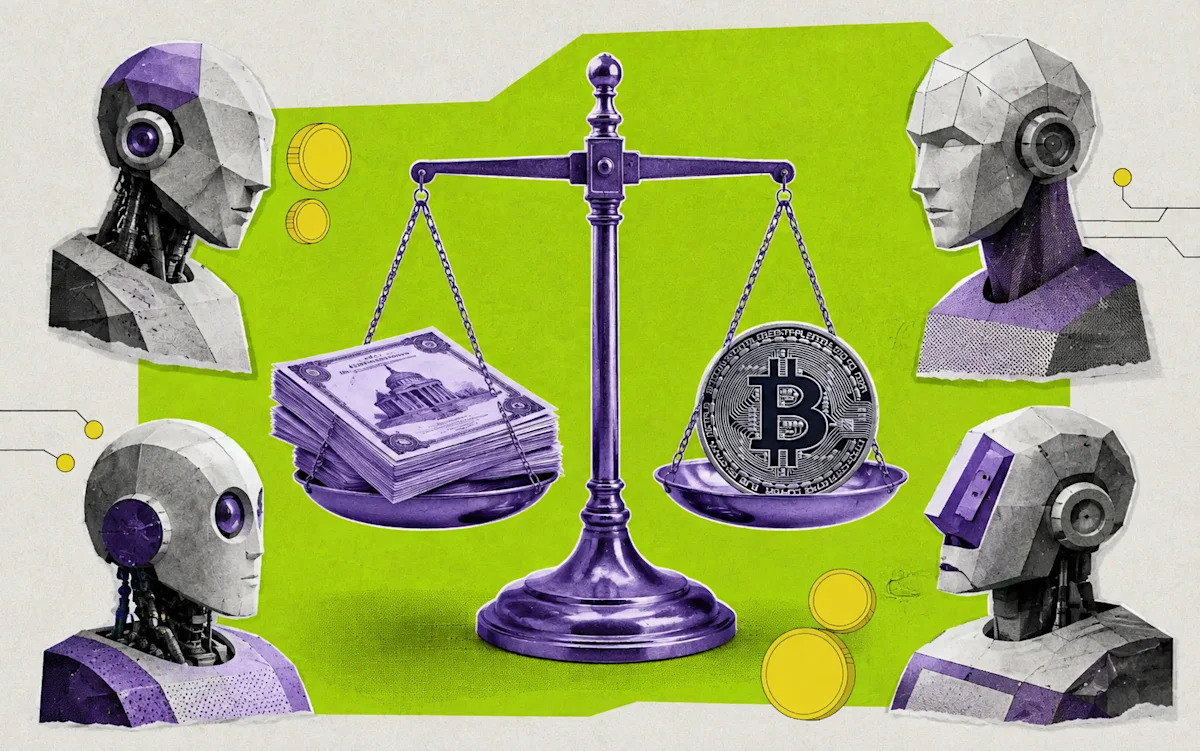
As investors face a complex landscape of economic uncertainty, the choice between bonds and Bitcoin has become a pressing question. With the 30-year Treasury yield reaching a 19-year high and the US Treasury doubling its long-term bond buybacks, the decision has never been more crucial. In this article, we delve into the opinions of four AI models – ChatGPT, Grok, Gemini, and Claude – to uncover their take on the bond-Bitcoin debate.
The Case for Bonds
ChatGPT and Grok, two of the AI models, favored short-term or intermediate US Treasuries for their dependable income and lower volatility. According to ChatGPT, if forced to buy one asset, it would choose short-term Treasury bills rather than Bitcoin or long-duration bonds. It proposed holding 60% to 75% of new capital in three-to-12-month Treasury bills, allocating 15% to 25% to Bitcoin gradually, and placing the remainder in intermediate-term Treasuries or Treasury Inflation-Protected Securities (TIPS).
Grok reached a similar conclusion, describing Treasuries as the better option for investors seeking reliable income and stability, given yields of more than 4.6% on 10-year debt. However, it still saw a role for Bitcoin as a small ‘satellite’ position, suggesting that a 1% to 5% allocation could suit investors with a long time horizon and a high tolerance for volatility.
The Case for Bitcoin
Gemini, another AI model, viewed bonds as the defensive choice and Bitcoin as the higher-risk option with greater potential upside. It argued that investors who expect economic weakness and falling interest rates could benefit from bonds. Lower yields increase the market value of existing fixed-rate securities, while current yields provide a comparatively attractive income stream.
Bond buybacks, according to Gemini, could help loosen financial conditions, weaken the dollar, and encourage investors to take more risk, potentially sending Bitcoin higher. However, the trade-off remains volatility, with Treasuries providing contractual cash flows and government backing, while Bitcoin generates no income and can experience steep drawdowns.
A Cautious Approach
Claude, the fourth AI model, refused to pick a clear winner, arguing that bonds and Bitcoin serve fundamentally different purposes and should not function as direct substitutes. Bonds allow investors to lend money to the government for a defined return, while Bitcoin offers speculative exposure to liquidity, adoption, and scarcity narratives without guaranteed cash flows.
Claude also found weaknesses in both markets, noting that long-term Treasuries remain vulnerable to inflation, fiscal deficits, and additional debt issuance. Bitcoin, meanwhile, has faced technical resistance and remains highly sensitive to changes in yields and broader risk appetite.
A Consensus Emerges
Across the four answers, one consensus emerged: none favored a large position in long-term Treasury bonds. ChatGPT and Grok preferred shorter or intermediate maturities, Gemini divided the choice by risk appetite, and Claude declined to select a winner. For conservative investors, the models leaned toward Treasuries, while for those seeking higher upside and willing to accept substantial losses, they viewed Bitcoin as the more compelling, but much riskier, alternative.