Agra Fort – The Majestic Mughal Fortress That Shaped India’s History


Introduction
Agra Fort is one of India’s most magnificent historical landmarks, standing as a powerful symbol of the Mughal Empire’s grandeur and influence. Located on the banks of the Yamuna River, this massive red sandstone fortress once served as the primary residence of Mughal emperors and played a crucial role in shaping India’s history.
Recognized as a UNESCO World Heritage Site, Agra Fort offers visitors an unforgettable journey through centuries of royal power, architectural brilliance, and cultural heritage.
Stepping Into the Heart of the Mughal Empire


A Fortress Built for Emperors
Agra Fort was more than a military stronghold.
Key highlights:
- Commissioned by Emperor Akbar in 1565
- Served as the Mughal capital
- Home to successive emperors
- Center of political power
- Witnessed major historical events
Its walls tell the story of an empire at its peak.
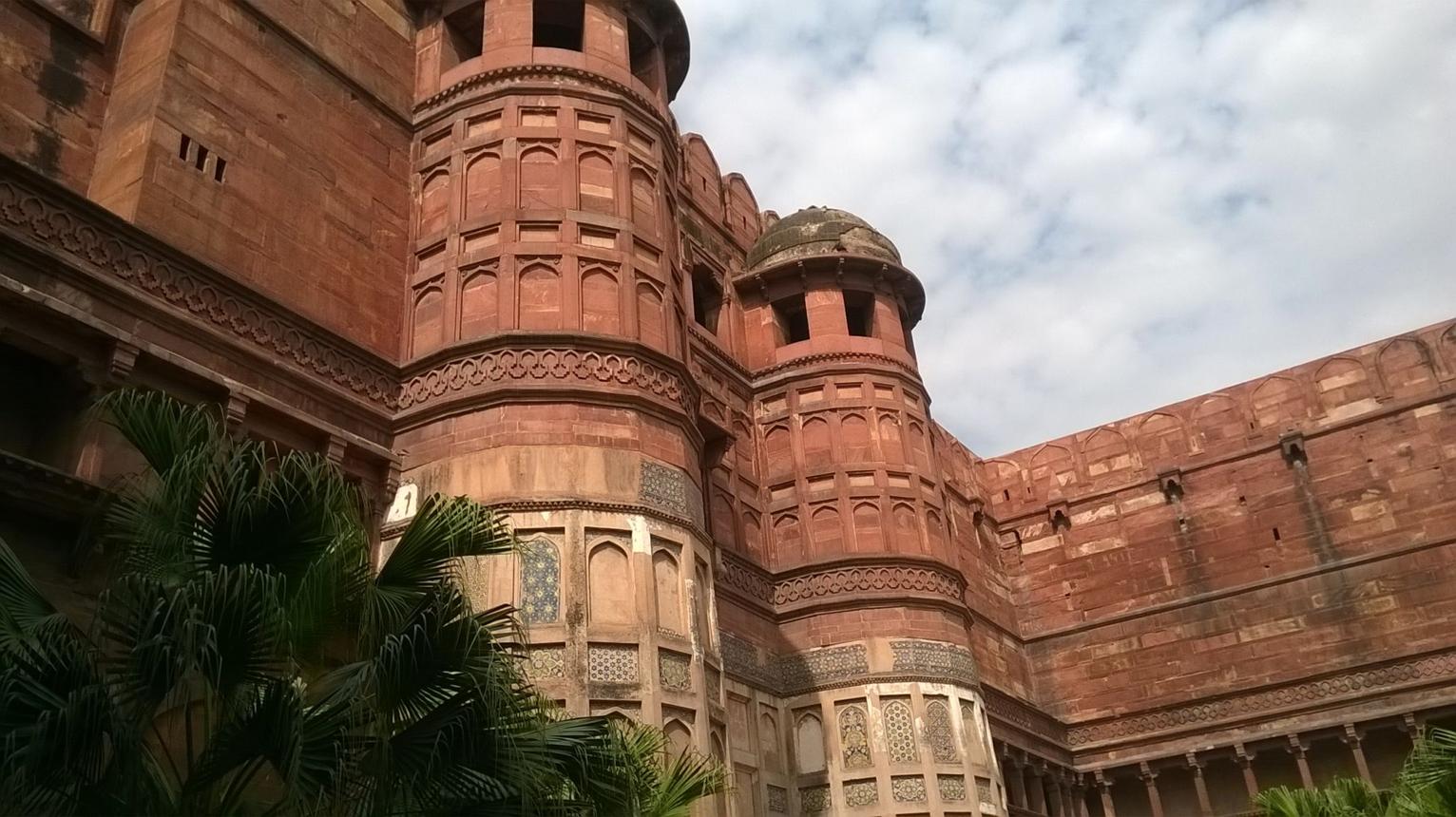
Admiring the Mighty Red Sandstone Walls


An Impressive Defensive Masterpiece
The fortress was designed for both protection and prestige.
Key highlights:
- Massive red sandstone construction
- Nearly 2.5 kilometers of walls
- Strategic defensive layout
- Imposing gateways
- Remarkable engineering
Its scale continues to impress visitors today.
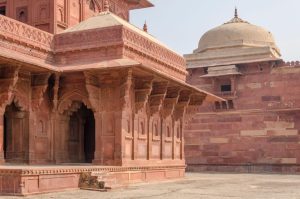
Exploring the Elegant Jahangiri Mahal


A Palace Fit for Royalty
Jahangiri Mahal is one of the fort’s finest structures.
Key highlights:
- Built during Akbar’s reign
- Blend of Islamic and Hindu styles
- Intricate stone carvings
- Spacious royal courtyards
- Historic royal residence
It showcases the artistic excellence of the Mughal era.
Discovering the Stunning Khas Mahal


Where Luxury Met Royal Life
This marble palace reflects imperial sophistication.
Key highlights:
- Elegant white marble design
- Royal living quarters
- Decorative floral motifs
- Open-air terraces
- Scenic river views
The structure demonstrates refined Mughal craftsmanship.
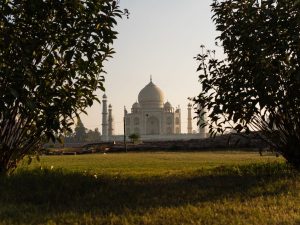
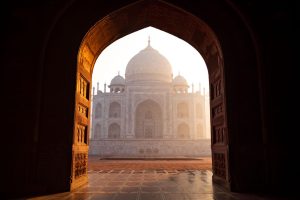
Standing Where Shah Jahan Saw the Taj Mahal


A Story of Love and Loss
One of the fort’s most famous legends involves Emperor Shah Jahan.
Key highlights:
- Confined here by Aurangzeb
- Overlooks the Taj Mahal
- Connected to Mughal history
- Offers panoramic views
- One of the fort’s most visited spots
The location adds emotional depth to the visit.
Appreciating Mughal Architectural Excellence


A Fusion of Artistic Traditions
The fort combines multiple architectural influences.
Key highlights:
- Persian-inspired designs
- Intricate geometric patterns
- Floral carvings
- Symmetrical layouts
- Fine stone craftsmanship
Every corner reveals exceptional detail.
Walking Through Historic Courtyards


Spaces Once Filled With Imperial Life
The courtyards served as gathering places for royalty.
Key highlights:
- Ceremonial events
- Royal audiences
- Military assemblies
- Cultural celebrations
- Architectural symmetry
They provide insight into daily life within the empire.
Capturing Spectacular Views of Agra


A Photographer’s Historical Treasure
The fort offers excellent photography opportunities.
Key highlights:
- Riverfront landscapes
- Historic architectural details
- Sunset lighting effects
- Palace interiors
- Taj Mahal viewpoints
Every section presents a unique perspective.
Practical Tips for Visiting Agra Fort


Planning a Memorable Experience
Preparation helps maximize your visit.
Key highlights:
- Visit early to avoid crowds
- Wear comfortable footwear
- Allow several hours for exploration
- Carry water during warm seasons
- Combine with a Taj Mahal visit
The fort deserves plenty of time and attention.
Why Agra Fort Remains One of India’s Greatest Landmarks


A Timeless Symbol of Imperial Grandeur
Agra Fort stands as one of the finest surviving examples of Mughal architecture and royal history. Its majestic walls, elegant palaces, and fascinating stories transport visitors into the golden age of one of the world’s most influential empires.
For travelers exploring India’s cultural treasures, Agra Fort is an essential destination that perfectly complements the beauty of the Taj Mahal while revealing a deeper chapter of the nation’s remarkable past.