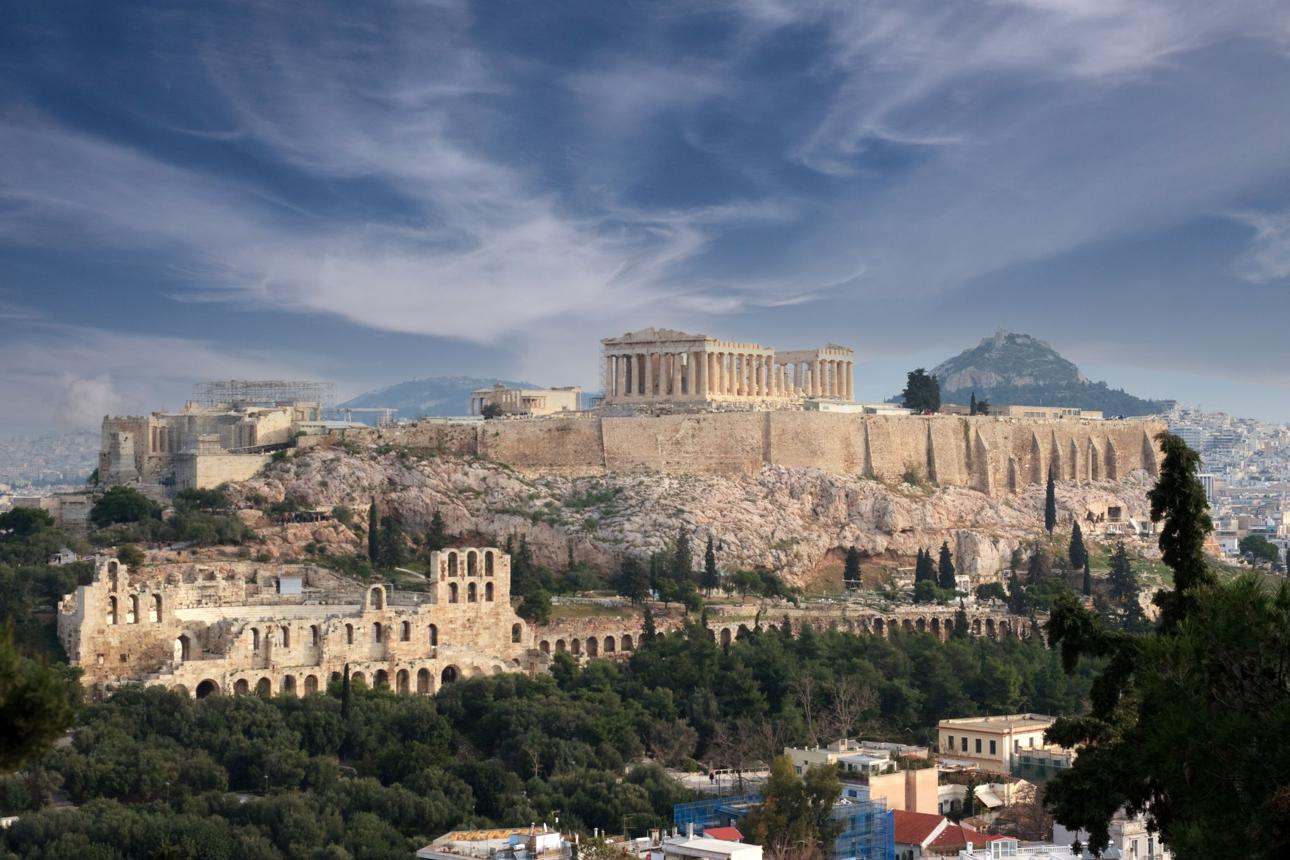
Acropolis of Athens – The Legendary Symbol of Ancient Greece


Acropolis of Athens is one of the most famous historical landmarks in the world and the ultimate symbol of ancient Greek civilization. Rising high above Athens in Greece, the Acropolis has stood for thousands of years as a masterpiece of architecture, culture, and history.
Recognized as a UNESCO World Heritage Site, the Acropolis attracts millions of visitors every year who come to admire its ancient temples, breathtaking city views, and extraordinary cultural significance.
The Historical Importance of the Acropolis


The word “Acropolis” means “high city” in Greek, and ancient Greek cities often built fortified structures on elevated hills.
The Acropolis of Athens became the political, religious, and cultural center of ancient Athens during the 5th century BCE, widely considered the Golden Age of Greece.
The site symbolizes:
- democracy
- philosophy
- art
- architecture
- classical civilization
Many of the world’s most influential ideas in politics, science, and philosophy originated during this remarkable era.
The Magnificent Parthenon


The most iconic structure on the Acropolis is the Parthenon, a temple dedicated to the goddess Athena, protector of Athens.
Built with stunning precision and symmetry, the Parthenon is considered one of the greatest architectural achievements in human history.
Why the Parthenon Is Famous
The temple is admired for:
- massive marble columns
- classical Greek design
- artistic sculptures
- historical significance
Even after centuries of wars and damage, the Parthenon remains one of the most recognizable monuments on Earth.
Other Incredible Structures on the Acropolis


The Acropolis includes several other important ancient structures.
Erechtheion
Erechtheion is famous for its elegant Caryatid statues that replace traditional columns.
Temple of Athena Nike
A smaller but beautifully designed temple celebrating victory and wisdom.
Propylaea
The monumental gateway serving as the grand entrance to the Acropolis complex.
Each structure contributes to the artistic and historical importance of the site.
Why Travelers Love Visiting the Acropolis


The Acropolis offers one of the most unforgettable travel experiences in Europe.
Incredible Historical Atmosphere
Walking through the ruins allows visitors to experience the heart of ancient Greek civilization.
Panoramic Views of Athens
The hilltop location provides breathtaking views over Athens and the surrounding landscape.
A Photographer’s Dream
The golden stone temples become especially beautiful during sunrise and sunset.
Educational and Cultural Experience
The Acropolis offers deep insight into ancient history, mythology, and classical architecture.
Best Time to Visit the Acropolis


Different times of day create different experiences at the Acropolis.
Early Morning
Morning visits help avoid crowds and strong summer heat.
Sunset Hours
Sunset creates spectacular lighting over the marble temples and Athens skyline.
Spring and Autumn
These seasons provide the most comfortable temperatures for sightseeing.
Nearby Attractions Around the Acropolis


Several famous attractions are located near the Acropolis.
Nearby highlights include:
- Acropolis Museum
- Ancient Agora
- Plaka district
- Temple of Olympian Zeus
Travelers can easily spend an entire day exploring the rich history of Athens.
Helpful Tips Before Visiting


Useful travel tips before visiting:
- Wear comfortable walking shoes
- Bring water during summer months
- Visit early to avoid crowds
- Carry a camera for panoramic photography
- Combine the trip with nearby museums and historic districts
A Timeless Wonder of Human Civilization
The Acropolis of Athens stands as one of humanity’s greatest cultural treasures. Its ancient temples, extraordinary history, and breathtaking views continue to inspire millions of travelers from around the world.
For anyone passionate about history, architecture, or ancient civilization, the Acropolis offers an unforgettable journey into the heart of classical Greece.