Lama Temple Beijing – Discover the Largest Tibetan Buddhist Temple Outside Tibet


Introduction
Lama Temple, also known as Yonghe Temple, is one of the most famous Buddhist temples in China and the largest Tibetan Buddhist monastery outside Tibet.
Located in the heart of Beijing, the temple is renowned for its magnificent architecture, sacred Buddhist relics, peaceful courtyards, and rich spiritual heritage. Today, it remains an active place of worship and one of the city’s most visited cultural attractions.
Why the Lama Temple Is So Famous


A Spiritual and Cultural Treasure
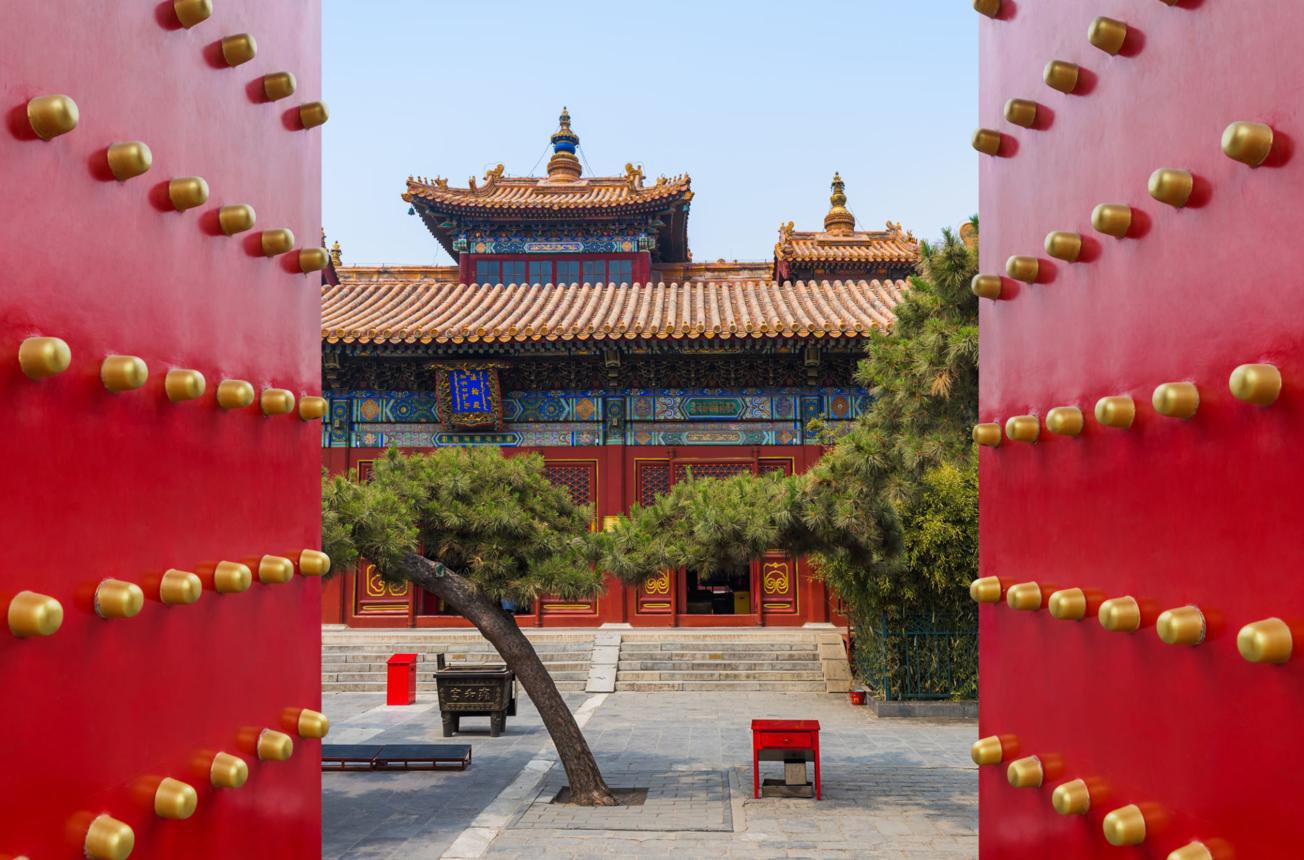
The Lama Temple attracts visitors from around the world because of its unique blend of Chinese and Tibetan architectural styles.
Highlights include:
- Largest Tibetan Buddhist temple outside Tibet
- Home to an enormous sandalwood Buddha statue
- Rich Qing Dynasty history
- Beautiful temple halls and courtyards
- Active center of Buddhist worship
The temple is considered one of Beijing’s most important religious landmarks.
History of the Lama Temple


From Imperial Residence to Sacred Temple
The site was originally constructed in 1694 during the Qing Dynasty as an official residence for Prince Yong, who later became Yongzheng Emperor.
After ascending to the throne, the residence was converted into an imperial palace and later transformed into a Tibetan Buddhist monastery.
Today, it stands as a symbol of China’s religious and cultural diversity.
Hall of the Heavenly Kings


The Grand Entrance to the Temple
The Hall of the Heavenly Kings is the first major building visitors encounter.
Inside, you will find:
- Guardian Buddhist statues
- Traditional temple decorations
- Incense offerings
- Intricate wooden craftsmanship
This hall sets the spiritual atmosphere for the rest of the temple complex.
Pavilion of Ten Thousand Happinesses


Home to the World’s Largest Sandalwood Buddha
One of the most remarkable attractions is the Pavilion of Ten Thousand Happinesses.
The pavilion houses a giant statue of Maitreya Buddha carved from a single sandalwood tree.
Highlights include:
- Approximately 18 meters visible above ground
- Carved from a single piece of sandalwood
- Recognized by Guinness World Records
- Extraordinary craftsmanship and detail
It is considered the temple’s most famous attraction.
Tibetan Buddhist Art and Architecture


A Blend of Chinese and Tibetan Traditions
The Lama Temple showcases a unique fusion of architectural influences.
Visitors can admire:
- Golden rooftops
- Colorful murals
- Tibetan Buddhist statues
- Prayer wheels
- Sacred scriptures and artifacts
Every corner of the temple reflects centuries of religious tradition.
Experiencing the Spiritual Atmosphere


A Living Place of Worship
Unlike many historical attractions, the Lama Temple remains an active religious site.
Visitors often witness:
- Incense offerings
- Buddhist prayers
- Religious ceremonies
- Meditation practices
- Traditional cultural rituals
The peaceful environment makes it one of Beijing’s most serene destinations.
Best Time to Visit the Lama Temple


Seasonal Travel Guide
The best times to visit are:
- Spring (March–May): Comfortable temperatures and blooming gardens
- Autumn (September–November): Beautiful weather and colorful foliage
- Early morning: Fewer crowds and peaceful atmosphere
- Winter: Unique snowy temple views
Morning visits provide the most authentic spiritual experience.
Photography at the Lama Temple


Best Photo Locations
Photography enthusiasts should explore:
- Main temple entrance
- Pavilion of Ten Thousand Happinesses
- Incense courtyards
- Golden rooftops
- Traditional Tibetan decorations
The temple offers countless opportunities for stunning travel photography.
Why the Lama Temple Is a Must-Visit in Beijing


Experience Beijing’s Spiritual Side
Lama Temple is more than just a historical monument. It is a living center of Tibetan Buddhism, a masterpiece of architecture, and one of Beijing’s most fascinating cultural attractions.
Whether you are interested in religion, history, photography, or architecture, the Lama Temple provides a memorable and enriching experience.