Beihai Park Beijing – Discover China’s Most Beautiful Imperial Garden


Introduction
Beihai Park is one of the oldest, largest, and best-preserved imperial gardens in China. Located in the heart of Beijing, just west of the Forbidden City, this magnificent park combines centuries of history, traditional Chinese architecture, scenic lakes, and peaceful landscapes.
With its iconic White Dagoba, beautiful island scenery, and tranquil atmosphere, Beihai Park offers visitors a unique glimpse into China’s imperial past while providing a relaxing escape from the bustling city.
Why Beihai Park Is So Famous


One of China’s Most Beautiful Imperial Parks
Beihai Park is famous for its combination of history, culture, and natural beauty.
Highlights include:
- More than 1,000 years of history
- One of China’s best-preserved imperial gardens
- Iconic White Dagoba
- Scenic Beihai Lake
- Traditional temples and pavilions
The park is often considered one of the most beautiful green spaces in Beijing.
History of Beihai Park


A Legacy of Chinese Dynasties
The origins of Beihai Park date back to the 11th century during the Liao Dynasty.
Over the centuries, it served as:
- An imperial garden
- A royal retreat
- A ceremonial venue
- A leisure destination for emperors
Several dynasties, including the Yuan, Ming, and Qing, expanded and enhanced the park, transforming it into one of China’s most celebrated royal landscapes.
White Dagoba – The Symbol of Beihai Park


The Park’s Most Iconic Landmark
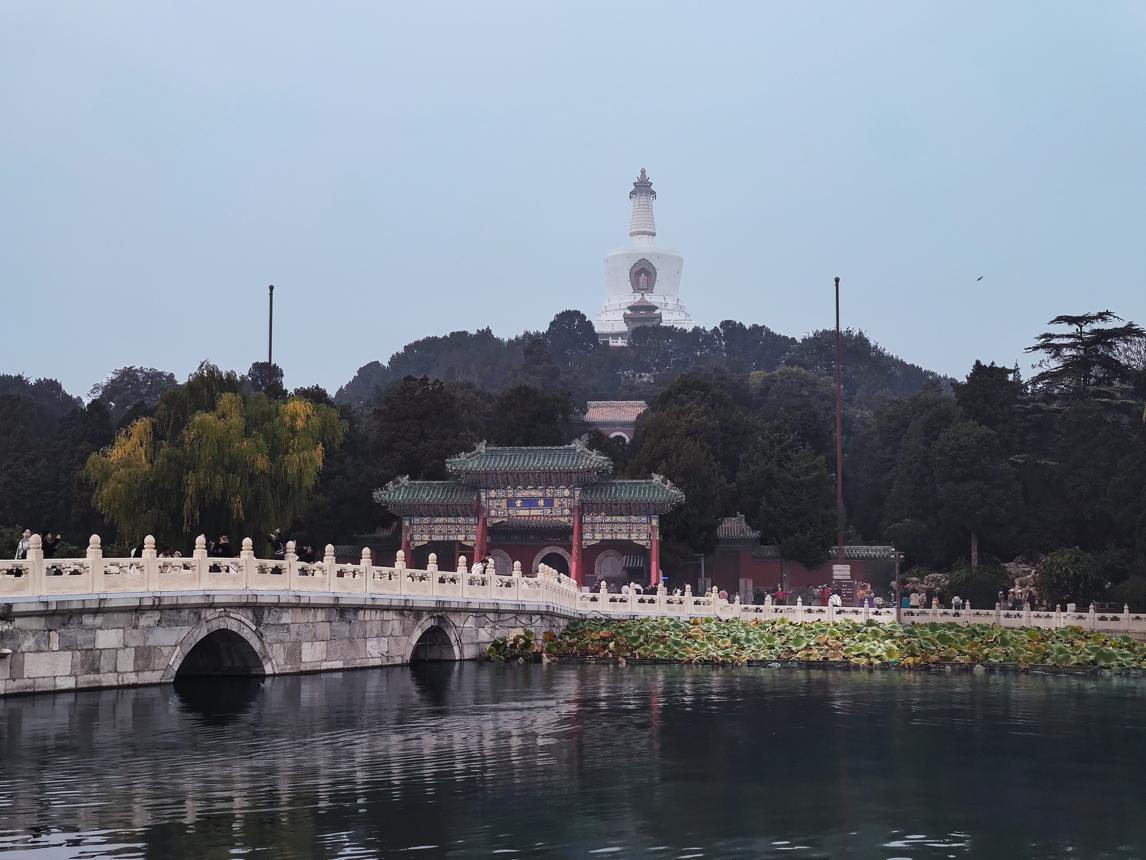
White Dagoba stands atop Jade Flower Island and dominates the skyline of Beihai Park.
Built in the 17th century, the White Dagoba symbolizes peace and Buddhist culture.
Visitors can enjoy:
- Panoramic views of Beijing
- Traditional Tibetan-style architecture
- Historic religious significance
- Excellent photography opportunities
It remains the most recognizable feature of the park.
Beihai Lake


The Heart of the Park
Beihai Lake covers the majority of the park and creates a peaceful environment surrounded by historic architecture.
Popular activities include:
- Boat rides
- Lakeside walks
- Scenic photography
- Relaxing picnics
- Bird watching
The lake offers some of the most picturesque views in Beijing.
Traditional Architecture and Temples


A Showcase of Classical Chinese Design
Throughout the park, visitors will discover:
- Historic temples
- Decorative pavilions
- Stone bridges
- Ancient halls
- Traditional gardens
The architecture reflects centuries of Chinese artistic and cultural development.
Best Time to Visit Beihai Park


Seasonal Travel Guide
Each season offers a unique experience:
Spring
- Blooming flowers
- Comfortable temperatures
- Beautiful gardens
Summer
- Lush greenery
- Ideal boating conditions
- Vibrant scenery
Autumn
- Colorful foliage
- Clear skies
- Perfect photography weather
Winter
- Snow-covered landscapes
- Frozen lake views
- Peaceful atmosphere
Autumn is generally considered the most photogenic season.
Photography at Beihai Park


Top Photography Locations
Photography enthusiasts should explore:
- White Dagoba viewpoints
- Beihai Lake shoreline
- Traditional pavilions
- Historic bridges
- Sunset observation spots
The reflections on the lake create particularly stunning images.
Nearby Attractions


Explore Beijing’s Historic Center
Beihai Park is conveniently located near several major attractions:
- Forbidden City
- Jingshan Park
- Tiananmen Square
- Traditional Hutong neighborhoods
Many travelers include Beihai Park as part of a full-day Beijing itinerary.
Why Beihai Park Is a Must-Visit in Beijing


Experience the Beauty of Imperial Beijing
Beihai Park combines stunning landscapes, rich history, traditional architecture, and peaceful lakeside scenery into one unforgettable destination.
Whether you are interested in Chinese culture, photography, history, or simply relaxing in nature, Beihai Park offers one of the most rewarding experiences in Beijing.