Source: engadget.com
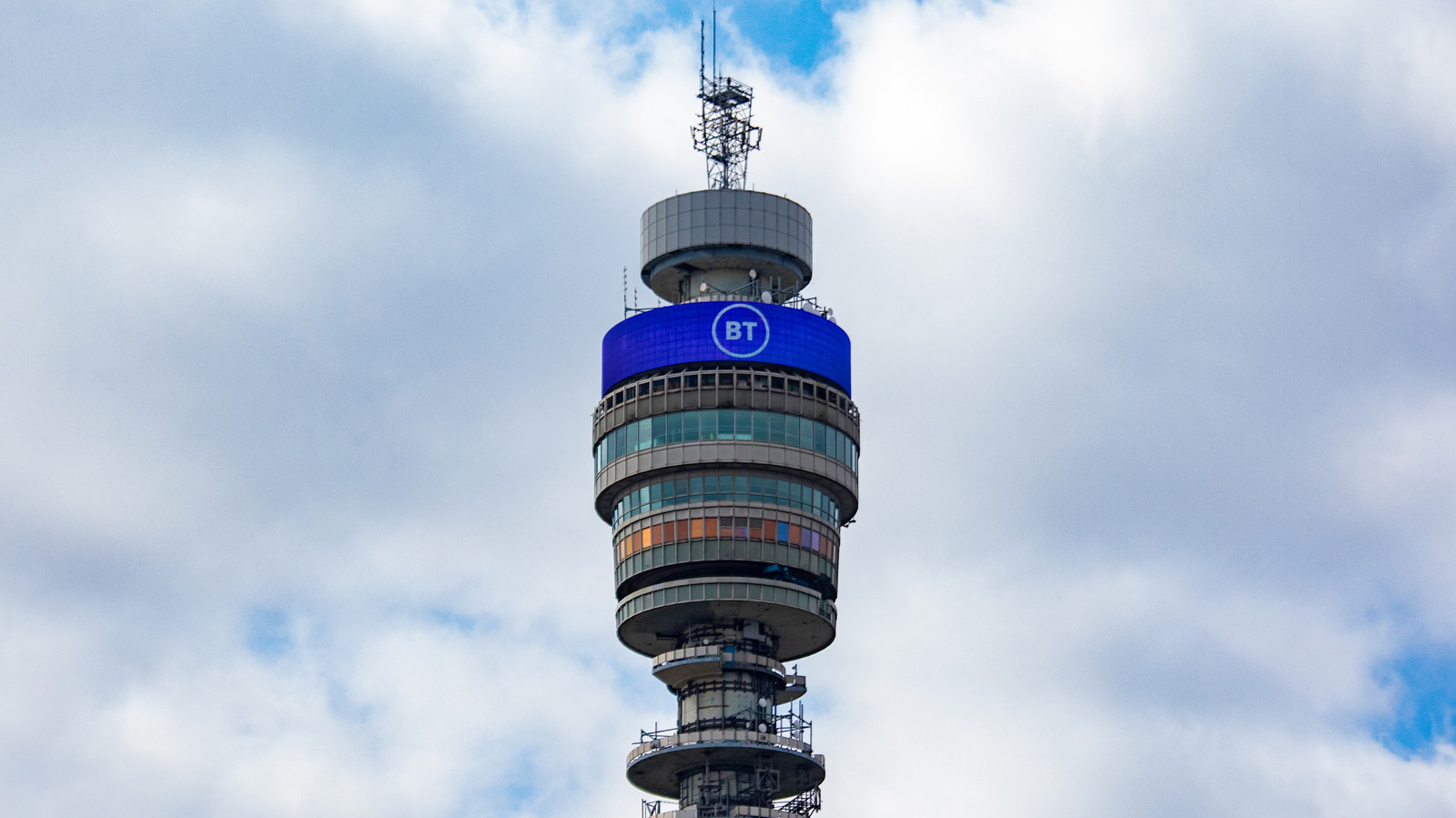
It’s nearly two hundred years old, and yet the world’s oldest telecommunications company, BT Group, is still a major player in the industry today. While it’s best known for its broadband, mobile services, and the infrastructure running underneath much of the UK’s communications network, its history stretches far beyond the telephone being a household fixture. BT’s lineage reaches back to the Electric Telegraph Company, founded by William Fothergill Cooke and businessman John Lewis Ricardo in 1846 to commercialize electric telegraph technology developed by Cooke and Charles Wheatstone.
The Electric Telegraph Company merged with the International Telegraph Company in 1855, forming the Electric and International Telegraph Company, before being taken over by the General Post Office in 1870. So BT’s claim to 1846 comes through its family tree, rather than one company somehow surviving intact for nearly two centuries. Other notable telecommunications companies with impressive pedigrees include Sweden’s Telia, which traces its roots to a state telegraph agency founded in 1853; Telecom Egypt, which points to its first telegraph line in 1854; and Norway’s Telenor, which dates its beginnings to the Norwegian Telegraph Administration in 1855.

France can even claim to have a state-run optical telegraph network dating back to 1794. However, it’s essential to note that none of these companies are perfect apples-to-apples comparisons. Like BT, their histories run through government agencies, reorganizations, and later commercial companies, making it difficult to crown a single ‘world’s oldest’ telecom company.

The early British telecommunications business had the sort of structure you might expect from a brand-new technology in Victorian Britain. Private companies built competing networks, struck agreements with railways, and fought for customers while lawmakers figured out what exactly to do with all these wires suddenly appearing around the country. By the late 1860s, Parliament was debating whether the government should simply buy the telegraph companies and put the network under the Post Office, but not everyone was sold on this idea.
During a debate in 1868, MP George Goschen called it ‘most absurd’ to think the Post Office could create a ‘hunger and thirst … for telegrams’ among rural customers who could send much cheaper letters instead. Parliament went ahead anyway, and private telegraph systems were bought and consolidated under state control. The Electric and International Telegraph Company joined the Post Office network in 1870.
Telephone infrastructure eventually took a similar route. The National Telephone Company was absorbed into the Post Office system in 1912, then Post Office Telecommunications became British Telecom in 1980. British Telecommunications formally took over the Post Office’s telecoms and data-processing operations in 1981, before privatization began in 1984 with the government selling a majority stake in the newly formed BT plc.
So much for a straight line from 1846. Instead, BT’s history is a complex web of mergers, acquisitions, and reorganizations that have shaped the company into what it is today.
The telegraph machines are long gone, but moving information around Britain is still very much the business. Modern BT operates several familiar consumer brands, including BT itself, EE, and Plusnet, alongside its business services operation. It also owns Openreach, the infrastructure company responsible for maintaining and expanding the UK’s main fixed telecom network.
If anything inside modern BT resembles that original telegraph business in spirit, it is probably Openreach. It looks after the copper wires and fiber cables connecting homes and businesses, then provides access to hundreds of communications companies that sell broadband and phone services directly to the people using those lines, rather than serving most households itself.
Openreach has been legally separate from BT since reforms proposed by Ofcom, with its own board, employees, management, and strategy. However, BT Group still owns it since Ofcom did not require a full ownership split. Mobile is another major part of what BT became. BT completed its acquisition of EE in 2016, giving the group control of what was then the UK’s largest mobile network, and EE’s 5G+ network now reaches 77 percent of the UK population.
William Cooke probably would not recognize much of that, but the cables might look reassuringly familiar. As of June 30, Openreach’s full-fiber footprint covered 23.4 million premises, with 9.4 million connected.
Today, BT Group is a major player in the UK’s telecommunications industry, with a rich history that spans nearly two centuries. From its humble beginnings as the Electric Telegraph Company to its current status as a leading provider of broadband, mobile services, and infrastructure, BT has come a long way. And while it may not be the oldest company in the world, it’s certainly one of the most enduring and influential in the industry.
Online Assistant