Forbidden City Beijing – Step Inside China’s Imperial Palace of 600 Years


Introduction
Forbidden City is one of the most remarkable historical landmarks in the world and the largest imperial palace complex ever built. Located in the heart of Beijing, the Forbidden City served as the home of Chinese emperors for nearly 500 years during the Ming and Qing Dynasties.
Today, it is one of China’s most visited attractions and a UNESCO World Heritage Site, attracting millions of travelers interested in history, culture, and architecture.
Why the Forbidden City Is So Famous


A Symbol of Imperial China
The Forbidden City is famous for its immense size, rich history, and stunning architecture.
Key highlights include:
- Home to 24 Chinese emperors
- Nearly 600 years of imperial history
- UNESCO World Heritage Site
- More than 980 surviving buildings
- One of the most important cultural landmarks in Asia
The palace represents the power and prestige of Imperial China.
History of the Forbidden City


The Heart of the Ming and Qing Dynasties
Construction of the Forbidden City began in 1406 under the reign of Yongle Emperor and was completed in 1420.
For centuries, it served as:
- The residence of Chinese emperors
- The political center of China
- The ceremonial heart of the empire
- A restricted area inaccessible to ordinary citizens
The name “Forbidden City” originated because entry was strictly controlled during imperial times.
Architecture of the Forbidden City


A Masterpiece of Ancient Chinese Design
The Forbidden City is considered one of the greatest examples of traditional Chinese architecture.
Architectural features include:
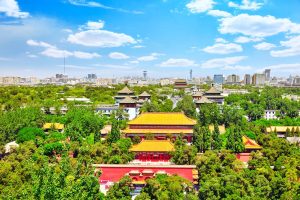
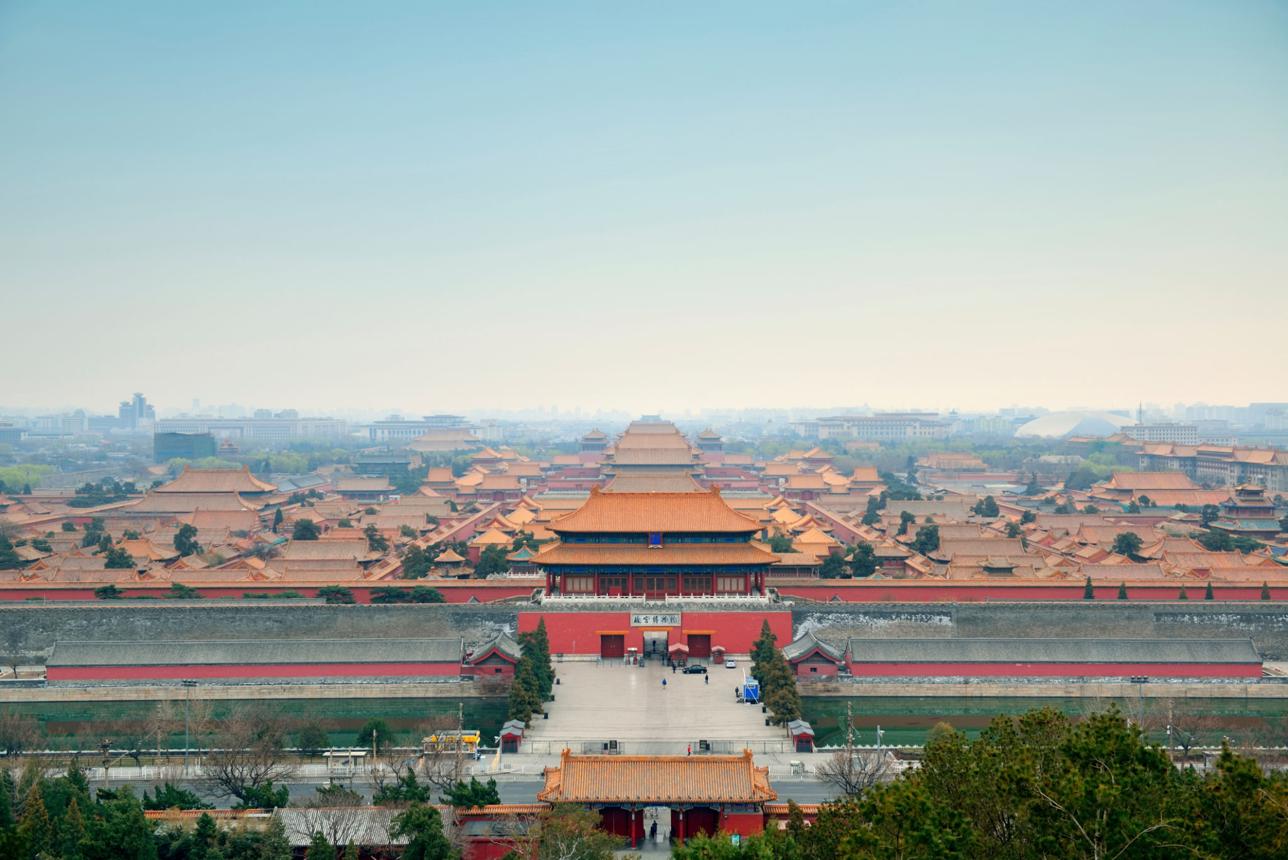
- Golden imperial rooftops
- Massive ceremonial halls
- Red palace walls
- Marble terraces
- Symmetrical palace layout
The complex covers approximately 180 acres and contains thousands of rooms.
Top Attractions Inside the Forbidden City


Must-See Highlights
Hall of Supreme Harmony
The largest and most important ceremonial hall in the palace complex.
Palace of Heavenly Purity
Former residence of Ming emperors.
Imperial Garden
A peaceful area featuring ancient trees, pavilions, and traditional landscaping.
Meridian Gate
The main entrance and one of the most iconic structures in the palace.
Best Time to Visit the Forbidden City


Seasonal Travel Guide
The best times to visit include:
- Spring (March–May): Pleasant temperatures
- Autumn (September–November): Beautiful weather and colorful scenery
- Winter: Fewer crowds and unique snowy views
- Early morning: Best for photography and sightseeing
Autumn is widely considered the most beautiful season.
Photography Opportunities at the Forbidden City


Best Photo Spots
Photography enthusiasts will love:
- Meridian Gate viewpoints
- Hall of Supreme Harmony
- Imperial Garden pathways
- Panoramic views from nearby parks
- Traditional palace courtyards
The contrast of red walls and golden roofs creates stunning images.
Why the Forbidden City Is a Must-Visit in China


A Journey Through China’s Imperial Past
Forbidden City offers visitors a unique opportunity to explore centuries of Chinese history, culture, and royal tradition.
Its magnificent architecture, historical significance, and cultural treasures make it one of the most important attractions in China and a must-see destination for travelers from around the world.