Humayun’s Tomb – The Magnificent Mughal Masterpiece That Inspired the Taj Mahal


Introduction
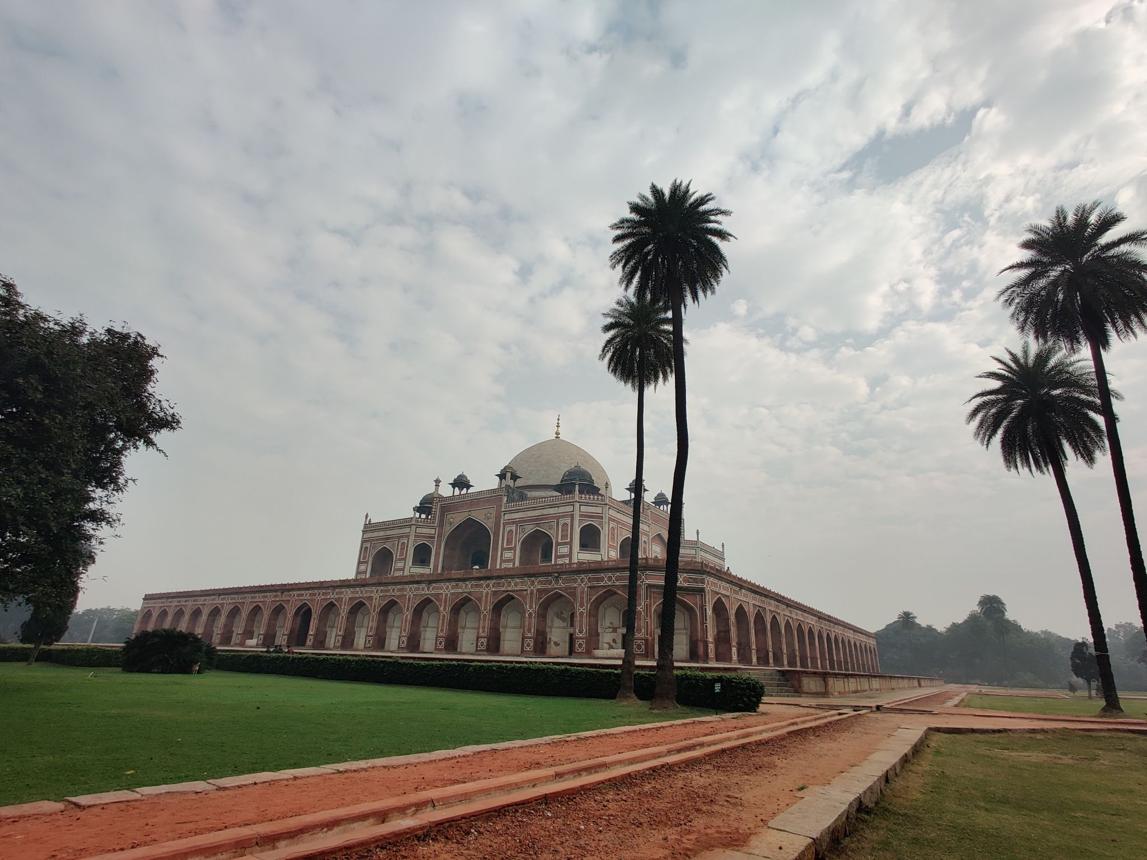
Humayun’s Tomb stands as one of India’s most remarkable architectural treasures and a masterpiece of Mughal design. Built in the 16th century, this UNESCO World Heritage Site is widely regarded as the architectural predecessor of the famous Taj Mahal.
Surrounded by symmetrical gardens, elegant pathways, and stunning red sandstone structures, Humayun’s Tomb offers visitors an unforgettable glimpse into the grandeur of the Mughal Empire.
Discovering the Legacy of Emperor Humayun


A Monument Built for an Emperor
The tomb honors the second Mughal ruler of India.
Key highlights:
- Constructed in the 1560s
- Commissioned by Empress Bega Begum
- Dedicated to Emperor Humayun
- Early Mughal architectural masterpiece
- Symbol of imperial remembrance
Its construction marked a new chapter in Indian architecture.
Admiring the Birth of Mughal Architectural Grandeur


A Revolutionary Design for Its Time
The structure introduced several iconic Mughal elements.
Key highlights:
- Massive central dome
- Red sandstone exterior
- White marble accents
- Geometric symmetry
- Persian-inspired design influences
Its beauty influenced generations of architects.
Wandering Through the Charbagh Gardens


A Perfect Balance of Nature and Design
The surrounding gardens enhance the monument’s elegance.
Key highlights:
- Traditional Persian Charbagh layout
- Flowing water channels
- Tree-lined pathways
- Symmetrical landscaping
- Peaceful atmosphere
The gardens symbolize paradise in Islamic architecture.
Exploring the Intricate Tomb Complex


More Than a Single Monument
The complex contains numerous fascinating structures.
Key highlights:
- Royal burial chambers
- Decorative archways
- Historic pavilions
- Secondary tombs
- Beautiful stone craftsmanship
Every corner reveals historical significance.
Understanding Its Influence on the Taj Mahal


The Blueprint for an Icon
Many architectural features later appeared in the Taj Mahal.
Key highlights:
- Monumental scale
- Garden-tomb concept
- Symmetrical planning
- Elevated platform design
- Use of marble decoration
Historians often call it the Taj Mahal’s architectural ancestor.
Appreciating Persian and Indian Design Fusion


A Cultural Blend That Shaped an Empire
The monument showcases diverse artistic traditions.
Key highlights:
- Persian architectural concepts
- Indian craftsmanship
- Islamic artistic elements
- Geometric ornamentation
- Cultural fusion design
This blend became a defining feature of Mughal architecture.
Capturing Stunning Photography Opportunities


One of Delhi’s Most Photogenic Landmarks
Photographers find endless inspiration here.
Key highlights:
- Symmetrical compositions
- Reflection photography
- Golden-hour lighting
- Garden perspectives
- Architectural close-ups
Every angle highlights its majestic beauty.
Exploring Nearby Historic Attractions


Extending Your Historical Journey
Several important sites lie nearby.
Key highlights:
- Historic Nizamuddin area
- Ancient monuments
- Cultural heritage locations
- Mughal-era architecture
- Convenient city access
The surrounding district is rich in history.
Best Time to Visit Humayun’s Tomb


Planning an Enjoyable Experience
Timing can significantly improve your visit.
Key highlights:
- Early morning offers cooler temperatures
- Fewer crowds during weekdays
- Beautiful light for photography
- Comfortable winter season visits
- Pleasant garden walks
The atmosphere is particularly serene in the morning.
Why Humayun’s Tomb Remains a Must-Visit Landmark


A Timeless Jewel of Indian Heritage
Humayun’s Tomb is more than an imperial mausoleum—it is a landmark that transformed architectural history. Its elegant gardens, innovative design, and cultural significance continue to attract travelers from around the world.
For anyone exploring Delhi, Humayun’s Tomb offers an unforgettable journey into the heart of Mughal history and artistic excellence.