Red Fort – India’s Magnificent Mughal Fortress and UNESCO Masterpiece


Introduction
Red Fort stands as one of India’s most iconic landmarks, symbolizing centuries of Mughal grandeur, political power, and cultural heritage. Built in the 17th century by Emperor Shah Jahan, this massive red sandstone fortress dominates the heart of Old Delhi and remains a centerpiece of Indian history.
Today, the Red Fort attracts millions of visitors eager to explore its magnificent architecture, royal palaces, and fascinating stories from India’s past.
Uncovering the Legacy of the Mughal Empire


A Symbol of Imperial Power
The fort served as the primary residence of Mughal emperors.
Key highlights:
- Commissioned by Emperor Shah Jahan
- Construction completed in 1648
- Seat of Mughal authority
- Political and cultural center
- Witness to major historical events
Its walls tell the story of India’s imperial past.
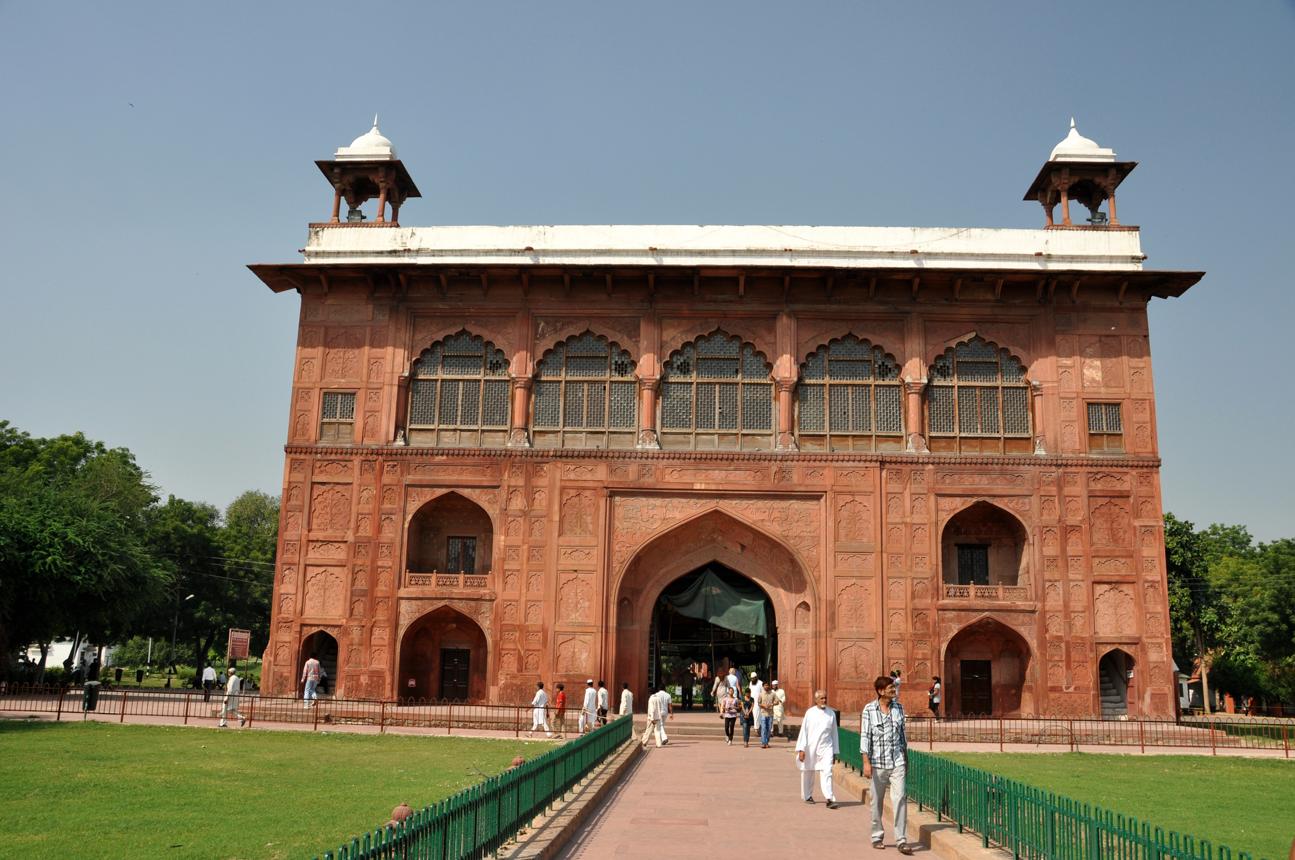
Admiring the Massive Red Sandstone Walls


An Architectural Wonder of Its Time
The fortress impresses visitors from the very first glance.
Key highlights:
- Constructed from red sandstone
- Extensive defensive walls
- Imposing entrance gates
- Remarkable engineering
- Distinctive Mughal design
The structure remains a masterpiece of military architecture.
Entering Through the Famous Lahori Gate


The Gateway to History
The Lahori Gate is the fort’s most recognized entrance.
Key highlights:
- Main ceremonial gateway
- Historic strategic importance
- Iconic national symbol
- Popular visitor entry point
- Magnificent architectural details
It sets the stage for the journey inside.
Exploring the Royal Palaces Within


A Glimpse Into Imperial Luxury
The fort once housed the Mughal royal family.
Key highlights:
- Elegant palace complexes
- Intricate marble craftsmanship
- Ornamental decorations
- Royal residential quarters
- Historic ceremonial spaces
These buildings reveal the luxury of imperial life.
Discovering the Diwan-i-Khas


Hall of Private Audiences
This magnificent hall hosted important imperial meetings.
Key highlights:
- White marble construction
- Delicate floral carvings
- Royal audience chamber
- Historic diplomatic venue
- Symbol of Mughal refinement
It remains one of the fort’s most admired attractions.
Experiencing India’s Independence Connection


A Monument of National Pride
The Red Fort plays a significant role in modern India.
Key highlights:
- Independence Day celebrations
- National flag hoisting ceremony
- Annual Prime Minister address
- Symbol of sovereignty
- Historic patriotic landmark
Its importance extends beyond the Mughal era.
Appreciating the Artistic Details


Masterpieces in Stone and Marble
Artistic excellence appears throughout the complex.
Key highlights:
- Intricate stone carvings
- Floral motifs
- Marble inlay decorations
- Persian-inspired aesthetics
- Exceptional craftsmanship
Every detail reflects remarkable artistic skill.
Visiting the Museums Inside the Complex


Bringing History to Life
Several museums enrich the visitor experience.
Key highlights:
- Historical artifacts
- Military exhibits
- Independence-related displays
- Cultural collections
- Educational presentations
They provide valuable context for the fort’s history.
Capturing Spectacular Photography


One of Delhi’s Most Photogenic Landmarks
The fort offers endless visual opportunities.
Key highlights:
- Grand architectural compositions
- Sunset photography
- Historic courtyard scenes
- Detailed artistic elements
- Panoramic fortress views
Every corner provides a memorable shot.
Why Red Fort Remains a Must-Visit Destination


Where India’s History Comes Alive
Red Fort is far more than an ancient fortress. It is a powerful symbol of India’s royal heritage, architectural brilliance, and national identity. From its magnificent gates and royal palaces to its role in modern celebrations, the Red Fort continues to inspire visitors from around the world.
A visit here offers an unforgettable journey through centuries of Indian history and culture.