Source: engadget.com
When it comes to in-car infotainment systems, Android Auto and Android Automotive OS are two names that often get confused with each other. But, as it turns out, they are two distinct products with different functionalities.
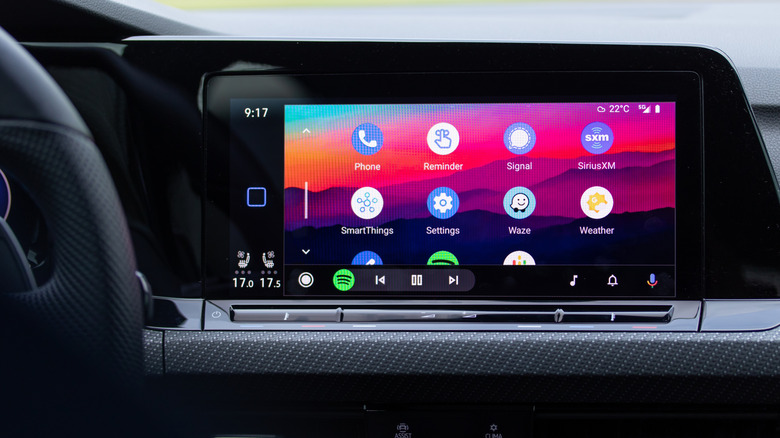
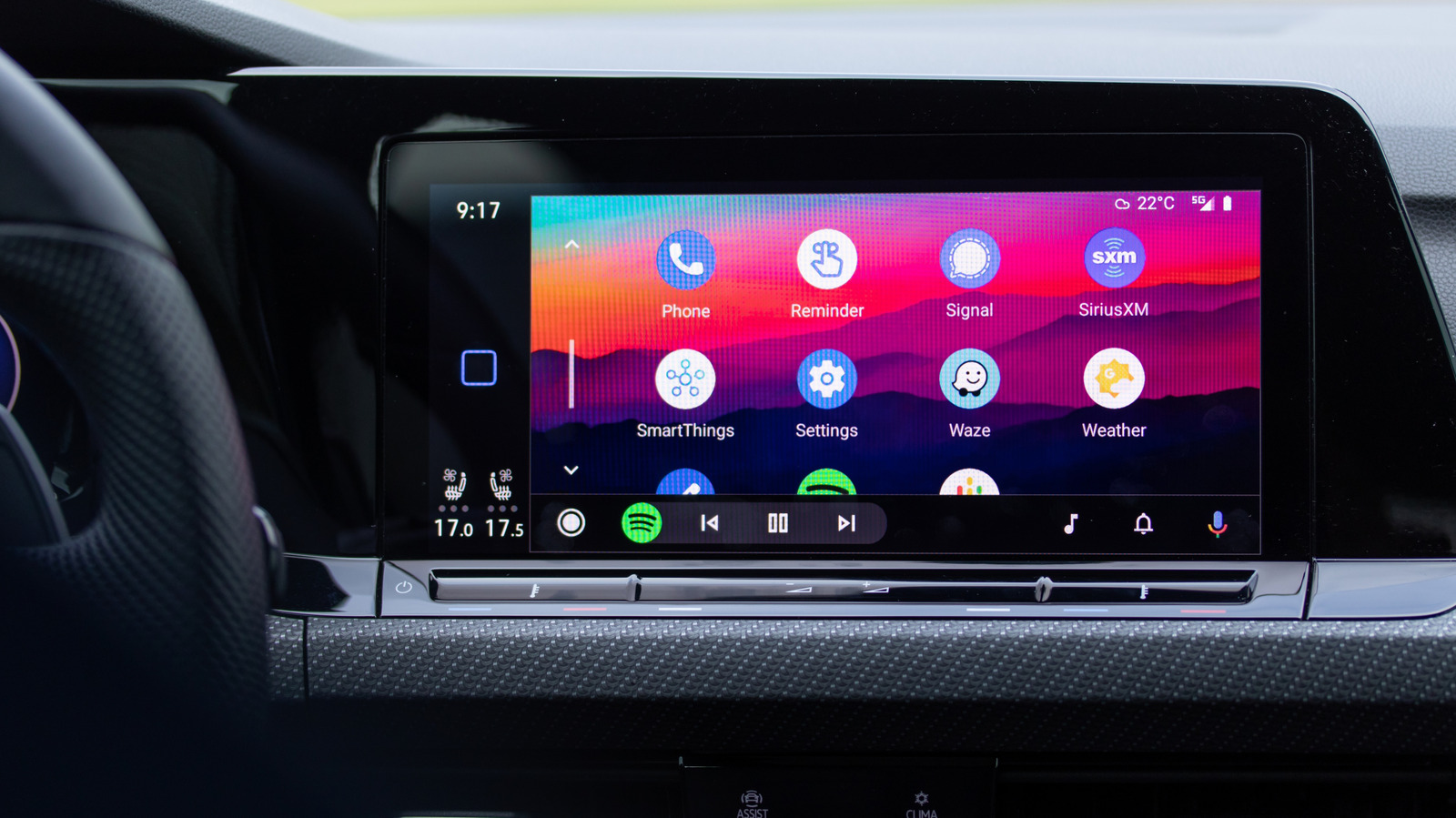
Android Auto is the more familiar of the two. It’s an extension of your Android phone, providing a driving-friendly interface for navigation, music, messaging, and supported applications on your car’s display. This interface is accessible via a compatible car display and your Android phone, either through a USB connection or wirelessly, depending on your phone and car’s capabilities.
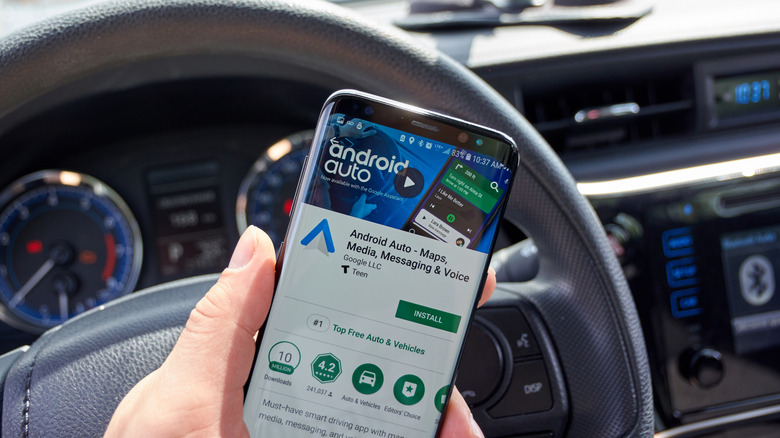
The key aspect of Android Auto is that it relies on your phone for its functionality. This means that you can connect to another compatible vehicle and bring your apps, accounts, and preferences with you. The car itself may be running Android, another operating system, or something completely proprietary. Android Auto apps can also access some vehicle data if supported by the car manufacturer, such as battery level or estimated range.
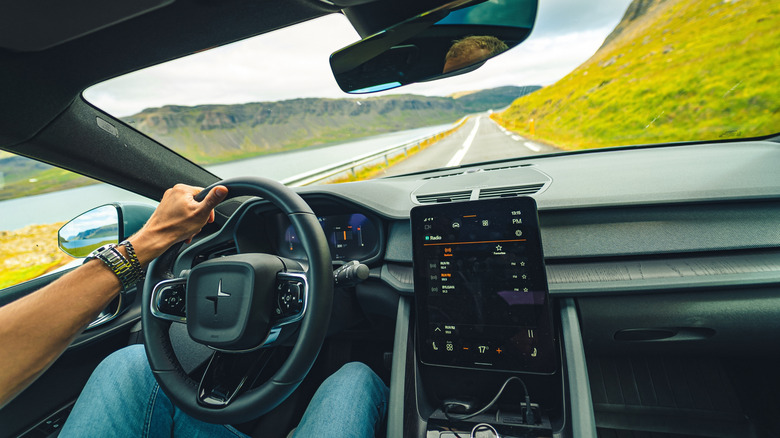
On the other hand, Android Automotive OS (AAOS) is a different animal altogether. It’s a software platform that’s installed in the vehicle itself, allowing automakers to integrate it with infotainment, instrument displays, climate controls, EV information, and other vehicle functions. AAOS is open-source, which means that it can be modified and customized by car manufacturers to suit their specific needs.
One of the key differences between Android Auto and Android Automotive is the level of integration with the vehicle’s systems. Android Auto is designed to work with a variety of car displays and operating systems, while Android Automotive is specifically designed to work with the vehicle’s native systems. This means that Android Automotive can provide a more seamless and integrated experience, with features like native Google Maps, Google Play, and Google’s voice assistant.
However, it’s worth noting that Google built-in, which relies on a separately licensed collection of Google Automotive Services, is not the same as Android Automotive. Google built-in provides a car with native Google Maps, Google Play, and Google’s voice assistant, without the need for a driver’s phone. This can be a separate, optional package that’s offered by car manufacturers, rather than a part of AAOS itself.
For instance, Rivian builds its own software experience on top of AAOS and doesn’t offer Android Auto or CarPlay projection. On the other hand, Polestar demonstrates how flexible things can be. It can have Google built-in in its AAOS-based cars and still be compatible with Android Auto and Apple CarPlay, so it’s not a case of either/or. In 2020, the Polestar 2 was the first production car to feature Android Automotive OS.
In conclusion, while Android Auto and Android Automotive OS may seem like similar products, they are actually two distinct offerings with different functionalities. Android Auto relies on your phone for its functionality, while Android Automotive OS is a software platform that’s installed in the vehicle itself. Understanding the difference between these two products can help you make a more informed decision when it comes to choosing the right in-car infotainment system for your needs.
Online Assistant