
Source: cdn2.psychologytoday.com
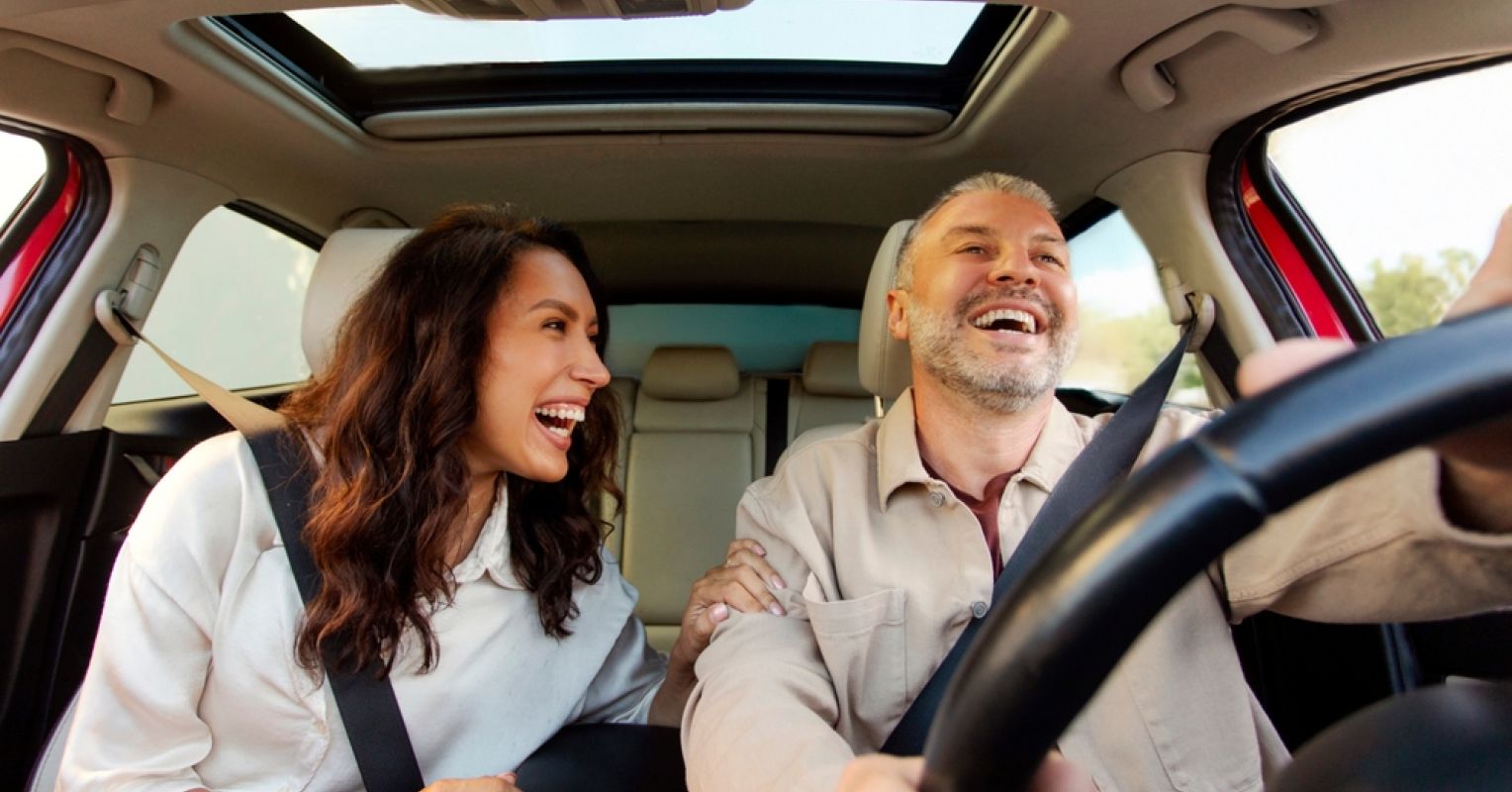
As a marriage counselor, I often ask couples if the problems that brought them to therapy get better or worse when they’re on vacation. Best-case scenario: When they’re away from the demands of home, the dishes in the sink, the laundry to be done, the bills in the mail, and the in-laws, the stars align, and they remember why they love each other.
Road trips often put the resilience of the relationship to the test. With the constant decisions to be made, from booking flights and hotels to organizing who will take care of the dog, the organizer is vulnerable to the disapproval of the other partner. Once on the road, disagreements arise over the windows being open or closed, the AC on or off, stopping or not to go pee, and pushing to make the next destination before dinner or meandering around to visit all the craft shops en route.
A road trip uncovers the bare-bones dynamic between the couple. Conflict often arises when one person feels strongly about how things should go, and the other feels controlled and squirms at being told what to do. This dynamic existed at home, but there, it’s diffused. You don’t have to make several decisions in the course of each hour, and you have the space to walk away, do something else, or talk it through with a friend to get some relief.
Ideally, your road trip will be 10 relaxed, fun days, away from the demands of everyday life, where you can hold hands and connect physically, enjoy new experiences, eat good food, connect with the magical landscape, and be flexible enough to roll with whatever pops up. It will be a chance to re-affirm your bond and create happy memories. I’d suggest you prime your expectations by actually verbalizing that wish before you head on the road. Make a pledge to each other to be easy-going, flexible, and positive, as best as possible.
Other suggestions include planning the trip together, discussing in advance where you want to go, what you’d like to do, and what hotels to book. Before you leave, talk about how to handle money, who pays for what, separate checks, and whether you’re hoping to stick to a tight budget or relax a bit to be open to add-ons, outings, or boat tours that add to the cost. Decide if you want to get away from it all or use the dedicated time in the car to discuss issues and problems that need sorting out. Be aware if your partner is constantly trying to wrest your attention away from your phone, put your phone down! Discuss to what extent one or both of you will be working even though you’re on vacation and agree about that.
No blaming! Look for opportunities to experience things together, what John Gottman, the couple researcher, calls ‘turning toward your partner, rather than away.’ Be open to suggestions from the other, if they want you to slow down, do what John Gottman calls ‘permitting influence.’ It’s healthy if you or your partner need time alone, don’t take it as a rejection. Let them have some space.
Have a great time on your vacation! And don’t forget to watch out for the moose!
Conflict often arises when one person feels strongly about how things should go, and the other feels controlled and squirms at being told what to do. This dynamic existed at home, but there, it’s diffused. You don’t have to make several decisions in the course of each hour, and you have the space to walk away, do something else, or talk it through with a friend to get some relief.
However, on a road trip, the stakes are high. This is your one precious vacation, and you really want it to be great! You’re spending a lot of money. You want to have fun and connect, so if things are tense, it’s magnified. And then there’s the issue of sex. Many people think of vacations as an opportunity to enjoy sex together, so if there’ve been some struggles around sex, the fact that it’s not happening can turn the cabin of the car into a pressure cooker.
Online Assistant


