In Korea, the Checkup Becomes the Destination
SEOUL, Aug. 25 (UPI) — Every employee at the newspaper where I spent my career was sent for a yearly health checkup – a staff benefit, nothing more. However, one year a colleague came back from his exam in a foul mood. Told to return for a second look, he was sure the hospital was after his money. He was, he insisted, perfectly well. He had the re-examination, anyway. Then surgery. The screening had caught a disease he never suspected but early enough to treat. He went on to head two broadcasters, a towering figure in Korean journalism.
I thought of him this summer, reading how foreign visitors now have the same experience. In July, within weeks of one another, British media outlets – the Guardian and the BBC among them – covered the Korean health checkup phenomenon with something close to wonder. The BBC cast South Korea as an emerging global medical hub, reporting that an increasing number of tourists give up one day of their trip for a full screening – blood tests, ultrasound and the rest. Some now choose Korea as their tourist destination solely for a medical screening. For a Korean, that part is hard to believe.
The numbers say this has become an established practice, not just a fad. The Health and Welfare Ministry counted 2.01 million foreign patients in 2025, up from about 490,000 in 2019 – a fourfold rise. By nationality, the number of Americans is the most striking. Patients from the United States, long the world’s medical leader, climbed to about 173,000 in 2025 from some 54,000 in 2019, more than tripling. More Americans now fly to Korea for treatment, bypassing all that advanced medicine at home, strange as that may seem.
Slice the figures another way, by purpose, not passport, and the checkup tells its own story. Foreigners who came specifically to be screened, from any country, not just the United States, passed 65,000 last year, up from about 4,400 in 2020, when the count began, a thirteenfold jump in five years. A tourist’s days are precious. That so many spend half a day or more inside a screening center points to something they do not find elsewhere. What is it?
Ask the visitors why, and the answer is always cost. In the United States, even good insurance leaves a basic checkup at $600 to $800, and a CT or MRI scan adds $2,000 to $3,000 more. According to the BBC, a patient without clear symptoms or family history can struggle to get even a single X-ray. Korea inverts the math. About $700 covers most screenings. At a specialist screening center rather than a university hospital, the figure falls to around $300 – and still buys blood work, gastroscopy and colonoscopy, an abdominal ultrasound and a cardiovascular workup.
Speed is the other draw. A clinician at the Severance checkup center near Seoul Station says a full screening takes half a day, urgent results back in two. Findings arrive overseas by phone, not by mail – the reflex of an IT nation. What visitors prize most is what happens when something turns up. A worrying result is routed at once to the right hospital, and surgery can follow before the stay is over. Arrive on holiday, leave with a disease caught in time. The reports are full of such cases.
None of this silences the skeptics, nor should it. A scan abroad is only as good as the follow-up, and aggressive screening can produce findings that breed anxiety and needless procedures rather than cures. Yet, that is the gap the Korean model narrows: when a scan finds something, the same trip carries the patient from diagnosis to treatment – continuity in a single visit. Visitors praise something else, harder to price: being treated as a person – fluent English, an unhurried consultation, a face-to-face talk with the doctor who read the scan.
The Guardian singled out Black American women. They carry disproportionately high rates of cardiovascular disease and, research shows, longer delays in diagnosing conditions from fibroids to breast cancer – the product of structural inequities, implicit bias and barriers to testing at home. In Korea, these women report the reverse: same-day tests, doctors who listen, care that treats them as patients rather than problems. Word has spread, and a growing number now pay the airfare to be seen. For some, the trip caught the illness in time.
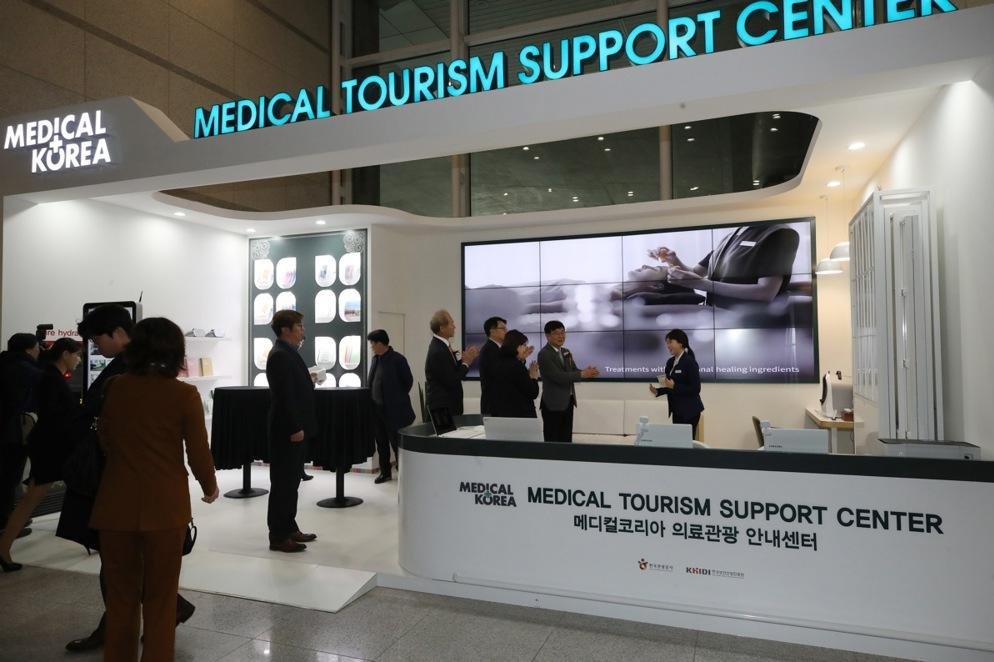
Hospitals are building for the trend. KMI, one of Korea’s largest screening networks, runs a global program with online booking before patients land and a desk for foreign visitors. The interest runs the other way, too. In Cerritos, near Los Angeles, the first Korean-style one-stop screening center on American soil is under construction – advised by Seoul National University Hospital and its Bundang campus, aimed at opening this year.
The health checkup is a quiet export, and a strange one. But for the visitor who comes for a holiday and leaves with a disease caught in time, Korea has done more than host a trip. It has handed back a life – a gift a nation can go on giving.