Intermittent Fasting Triggers Surprising Changes in the Brain
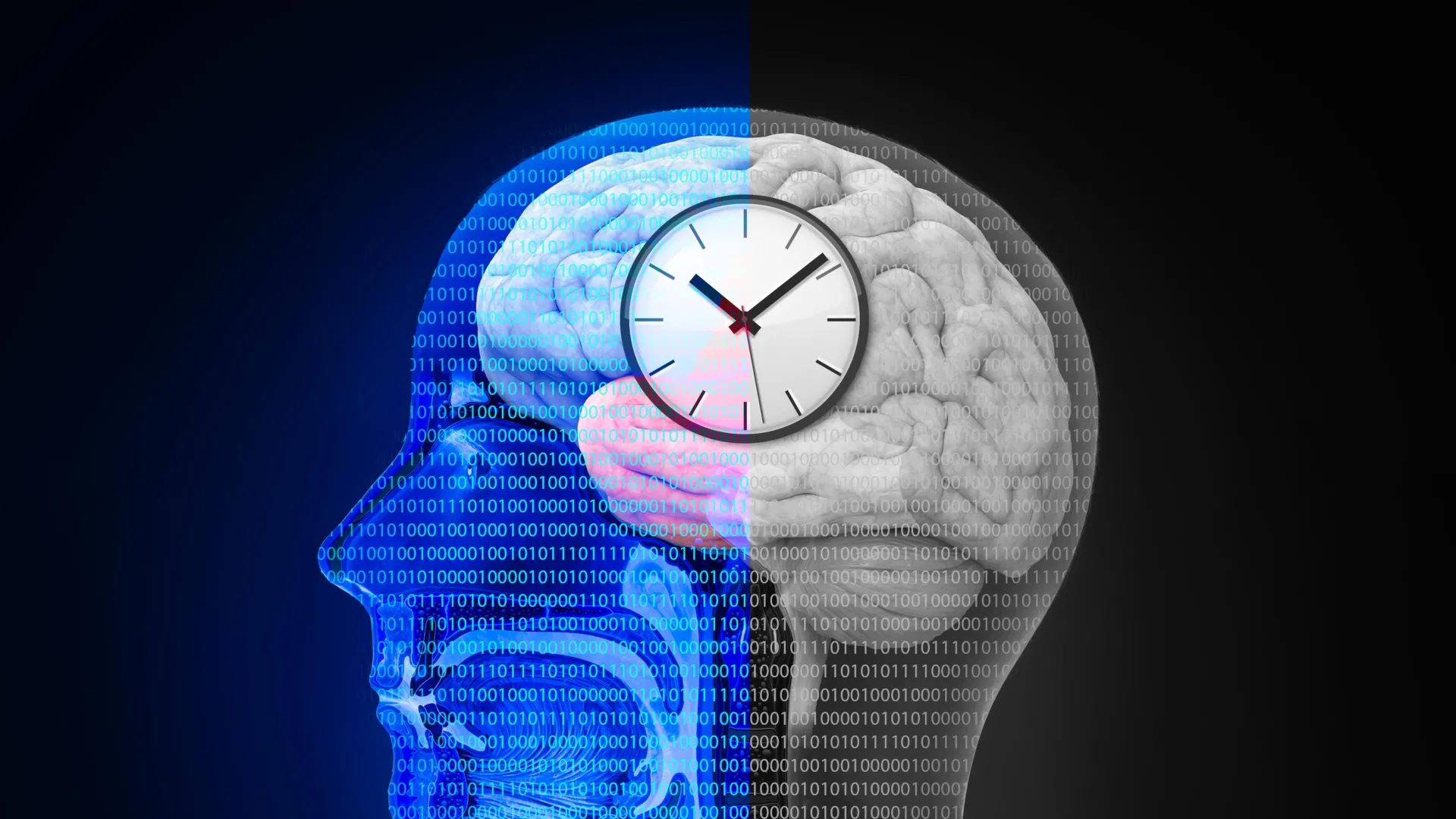
Breaking Down the Weight Loss Puzzle
Obesity affects over one billion people worldwide, making it a pressing concern for public health. Yet, losing weight and maintaining it can be a daunting task due to the complex interplay between the gut, hormones, metabolism, and the brain. Researchers have been exploring alternative approaches to traditional dieting, and one promising strategy is intermittent energy restriction (IER), a type of dieting that involves alternating periods of reduced calorie intake with more typical eating.
IER has been found to not only aid in weight loss but also alter the relationship between the gut microbiome and brain activity, which is closely tied to appetite and food behavior. A 2023 study published in the Journal of Clinical Investigation shed light on the effects of IER on the human brain-gut-microbiome axis. The researchers studied 25 adults with obesity in China, who underwent a 32-day high-calorie controlled fasting phase followed by a 30-day low-calorie controlled fasting phase.
The study revealed that the participants experienced significant weight loss, with an average reduction of 7.6 kilograms, or 7.8% of their initial body weight. Moreover, they showed improvements in metabolic markers, including reduced blood pressure, fasting plasma glucose, total cholesterol, HDL, LDL, and liver enzyme activity. These changes suggest that IER may help alleviate obesity-related problems such as hypertension, hyperlipidemia, and liver dysfunction.
The researchers also found that the weight loss program was linked to lower activity in several brain regions involved in appetite and addiction-related behavior. This may help explain why dieting affects not only body size but also food cravings, self-control, and the drive to eat. The gut microbiome underwent significant changes as well, with the abundance of certain bacteria such as Faecalibacterium prausnitzii, Parabacteroides distasonis, and Bacteroides uniformis increasing sharply. In contrast, Escherichia coli decreased.
Further analysis revealed that certain microbes were connected with activity in specific brain areas. For instance, the abundance of E. coli, Coprococcus comes, and Eubacterium hallii was negatively associated with activity in the brain’s left orbital inferior frontal gyrus, a region involved in executive function and willpower during weight loss. On the other hand, P. distasonis and Flavonifractor plautii were positively linked with brain regions involved in attention, motor inhibition, emotion, and learning.
The findings suggest that weight loss may involve changes across the entire brain-gut axis, rather than isolated organ-specific changes. The researchers propose that the gut microbiome communicates with the brain in a complex, two-directional way, influencing hunger, cravings, mood, reward, and metabolism. This two-way communication may help explain why obesity is so difficult to treat.
Unraveling the Mystery of Weight Loss
The study highlights the intricate relationship between the gut microbiome and brain activity during weight loss. However, more research is needed to determine the precise mechanism by which the gut microbiome and the brain communicate in obese individuals. The researchers propose that successful weight loss may involve changes across the entire system, rather than in one isolated organ.
Further studies have continued to support the idea that fasting can influence the gut microbiome. A 2024 systematic review of human studies found that intermittent fasting appears to affect gut microbial richness, diversity, and composition. However, the authors noted that results varied widely between studies, and more research is needed to determine which changes are truly beneficial for health.
Another 2024 clinical study compared intermittent fasting combined with protein pacing to continuous calorie restriction in adults with overweight or obesity. Both diets reduced calorie intake, but the fasting and protein pacing group showed greater weight loss and more pronounced shifts in the gut microbiome. The researchers reported increases in microbes and metabolic signals associated with improved body composition and fat loss.


