Tesla, Uber, and Waymo Get the Green Light to Operate Thousands of Robotaxis in Nevada
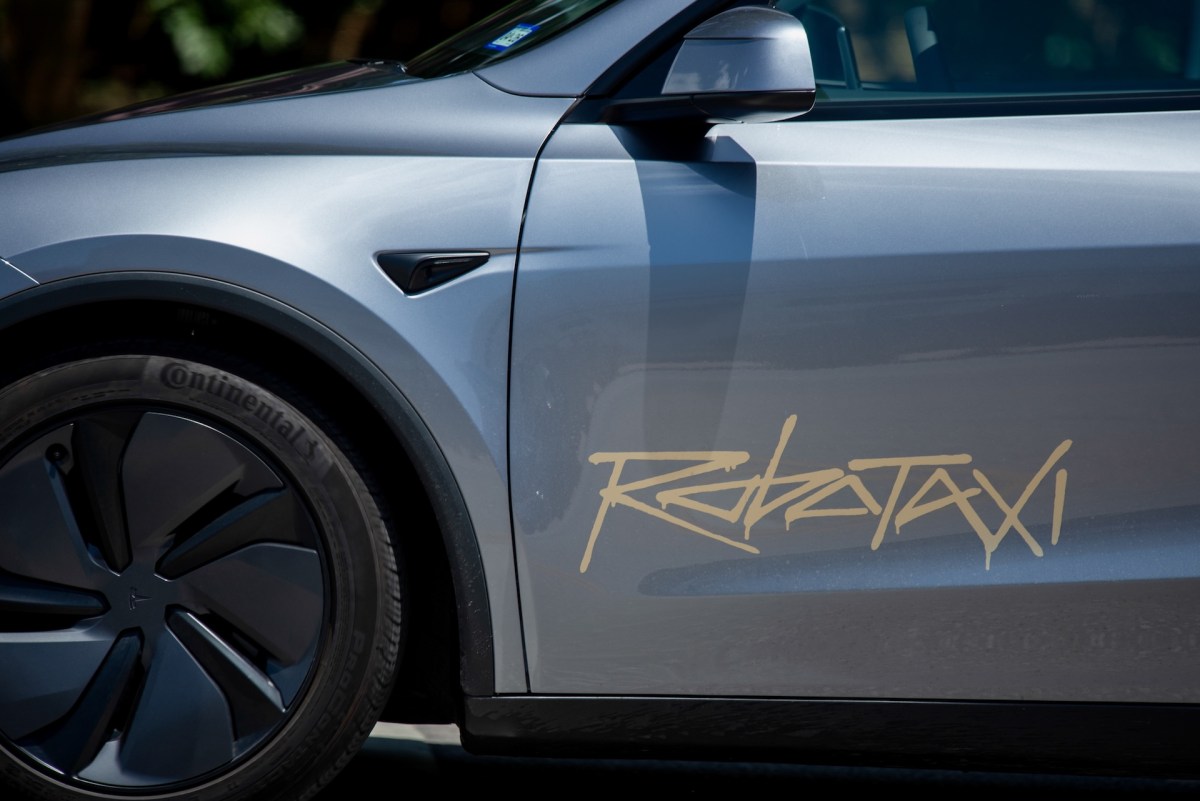
Nevada is on the cusp of a robotaxi revolution. The Nevada Transportation Authority (NTA) has unanimously approved three permits that will allow Tesla, Uber, and Waymo to operate commercial robotaxi services in Clark County, which is home to the vibrant city of Las Vegas.
A Robotaxi Frenzy in the Making
The permits will enable these companies to deploy up to 8,000 robotaxis across the county over the next 12 months. Tesla’s permit allows it to deploy up to 5,000 robotaxis, while Waymo is allowed to operate up to 1,000 autonomous vehicles over the next year. Uber, on the other hand, has been approved for 1,000 robotaxis, which it will operate through partnerships with Hyundai subsidiary Motional and Zoox.
While the approved permits would allow these companies to deploy a large number of robotaxis, the actual number of vehicles that will be deployed is uncertain. Testimony from Tesla representatives and the other companies suggests that they may not be able to launch as many robotaxis as they are allowed. Eric Early, Tesla’s Cybercab chief engineer, stated during the meeting that the company’s target is to deploy around 2,500 to 3,000 robotaxis, not the full 5,000 allowed by the permit.
The Impact on the Workforce
The robotaxi deployment in Clark County is poised to have a significant impact on the local workforce. While some see it as an opportunity to create new jobs designed to maintain, charge, and clean these vehicles, others are concerned that it will lead to the loss of jobs for human taxi and gig drivers. Representatives from the Livery Operators Association and local taxi companies opposed the permits, arguing that they would lead to the oversaturation of the commercial transportation industry and overcrowding of the roadways.
A Hybrid Approach?
Uber has taken a different stance on the issue, advocating for a hybrid approach that combines human drivers and robotaxis. The company has even lobbied for a system that would require robotaxis to operate on a ride-hailing network that also uses human drivers. This stance puts Uber at odds with Waymo and serves as a hedge against its own autonomous ambitions falling short of Tesla’s or Waymo’s.
A New Era for Transportation
The deployment of thousands of robotaxis in Clark County marks a significant milestone in the development of autonomous transportation technology. While there are concerns about the impact on the workforce, it is clear that this technology has the potential to transform the way we travel and do business. As the robotaxi industry continues to grow and evolve, it will be exciting to see how these companies adapt to the changing landscape and how they address the challenges that come with it.
The Road Ahead
As the robotaxi industry continues to expand, it will be essential for policymakers and regulators to keep pace with the rapid advancements in technology. This will require a nuanced understanding of the benefits and challenges associated with autonomous transportation and a willingness to adapt regulations and policies to address the needs of this new industry.
The future of transportation is rapidly changing, and it will be fascinating to see how the robotaxi industry evolves in the coming years. One thing is certain, however: the deployment of thousands of robotaxis in Clark County marks a significant step towards a more autonomous and efficient transportation system.