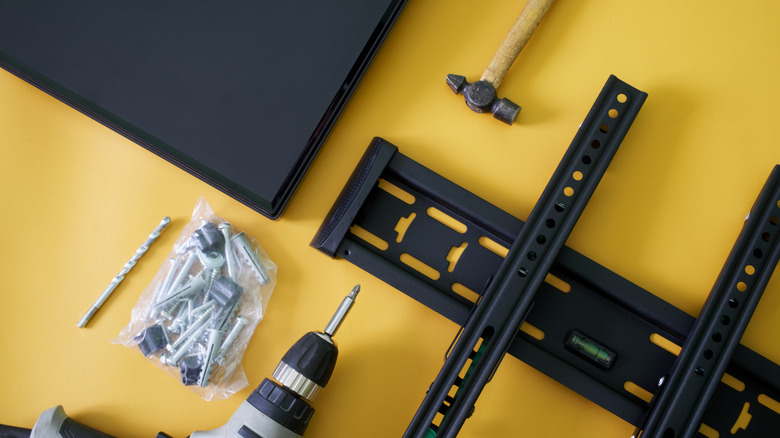
Source: engadget.com
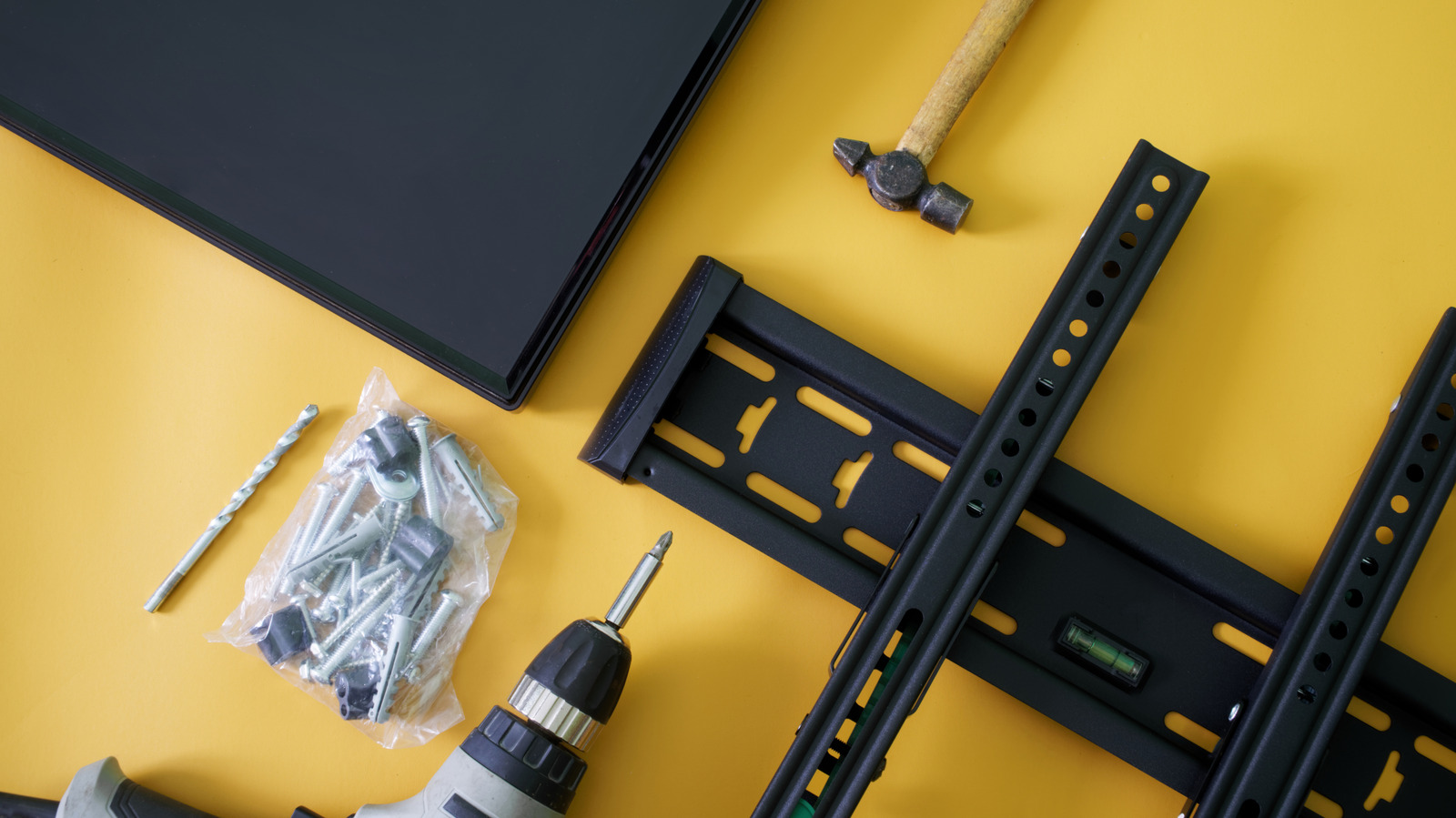
The VESA dimensions tell you where the mounting holes line up, but you still need to check the mount’s weight limit and hardware.
When it comes to TV mounts, you may have come across the term ‘VESA size’ or ‘VESA pattern.’ But what does it actually mean? Thankfully, VESA 400 × 400 isn’t another TV resolution you need to learn. VESA stands for Video Electronics Standards Association, and in TV-mount shopping, a VESA size or VESA pattern describes the spacing between the mounting holes on the back of a TV or display.
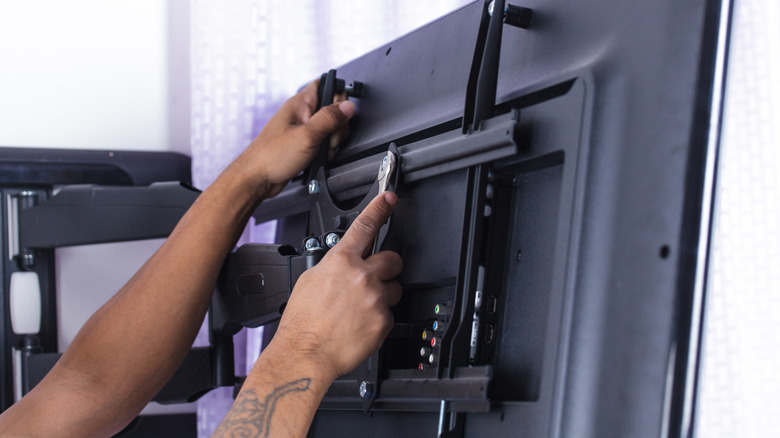
A VESA mount isn’t one particular style of bracket; it simply supports one or more of those standardized patterns. The VESA numbers don’t describe the TV’s resolution or screen dimensions. Larger TVs often use larger mounting patterns, but screen size alone doesn’t tell you which pattern a particular model uses.
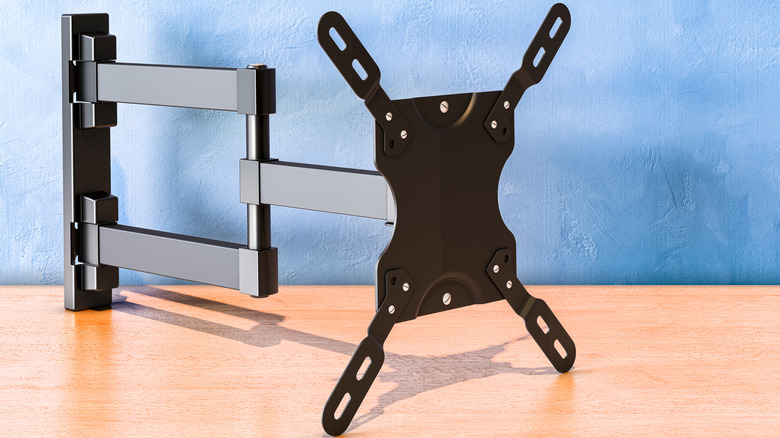
Checking your exact TV model is more reliable than guessing from its screen size. You also don’t need a mount limited to that exact VESA size. Many mounts support multiple VESA patterns, so you don’t need a bracket labeled only for your exact size. Your TV’s pattern just needs to appear on the mount’s list of supported patterns.
The easiest method doesn’t require a ruler at all. Look up the exact TV model in its manual or on the manufacturer’s support page and find the wall-mount or VESA specifications. Manufacturers commonly list the mounting-hole pattern in millimeters.
If you can’t find the specification, you can measure the mounting holes yourself. Measure from the center of one mounting hole to the center of the corresponding hole horizontally, then do the same vertically. Write the result as horizontal × vertical, in millimeters.
For example, if the mounting holes are 400mm apart horizontally and 200mm apart vertically, the TV has a 400 × 200 VESA pattern. Measure in millimeters so you can compare the result directly with the mount’s specifications.
A matching VESA pattern tells you the bracket can line up with the TV’s mounting holes. It doesn’t tell you whether the mount can safely hold the TV, so the next specification to check is its weight limit.
Compare the mount’s maximum load with the weight of your TV. A bracket can support the correct VESA pattern and still be unsuitable for a TV that’s too heavy.
You should also check the hardware required by your TV. VESA compatibility also says nothing about how the bracket should attach to the wall. Once you’ve confirmed the pattern and weight rating, use the TV manufacturer’s instructions to check the required mounting screws and follow the mount manufacturer’s instructions for attaching the bracket to the wall.
When shopping for a VESA mount, make sure to check the specifications carefully. A VESA mount that matches your TV’s pattern is a good starting point, but it’s not the only thing you need to consider.
Additionally, check the weight limit and hardware requirements of the mount to ensure it can safely hold your TV. By doing your research and choosing the right mount, you can enjoy a hassle-free viewing experience.
So, the next time you’re in the market for a VESA mount, remember to check the specifications carefully and don’t be afraid to ask for help if you’re unsure. With a little patience and research, you can find the perfect VESA mount for your TV.
Online Assistant


