Potala Palace – The Majestic Himalayan Fortress Rising Above Lhasa and the Spiritual Heart of Tibet


Introduction
Potala Palace is one of the most iconic architectural and spiritual landmarks in the world. Standing on Red Hill in Lhasa, it was once the winter residence of the Dalai Lamas and remains a powerful symbol of Tibetan Buddhism, culture, and history.
With its massive structure rising above the Himalayan plateau, it is both a sacred site and an architectural masterpiece.
A Palace Built Into the Mountain Landscape


Architecture That Blends With the Himalayas
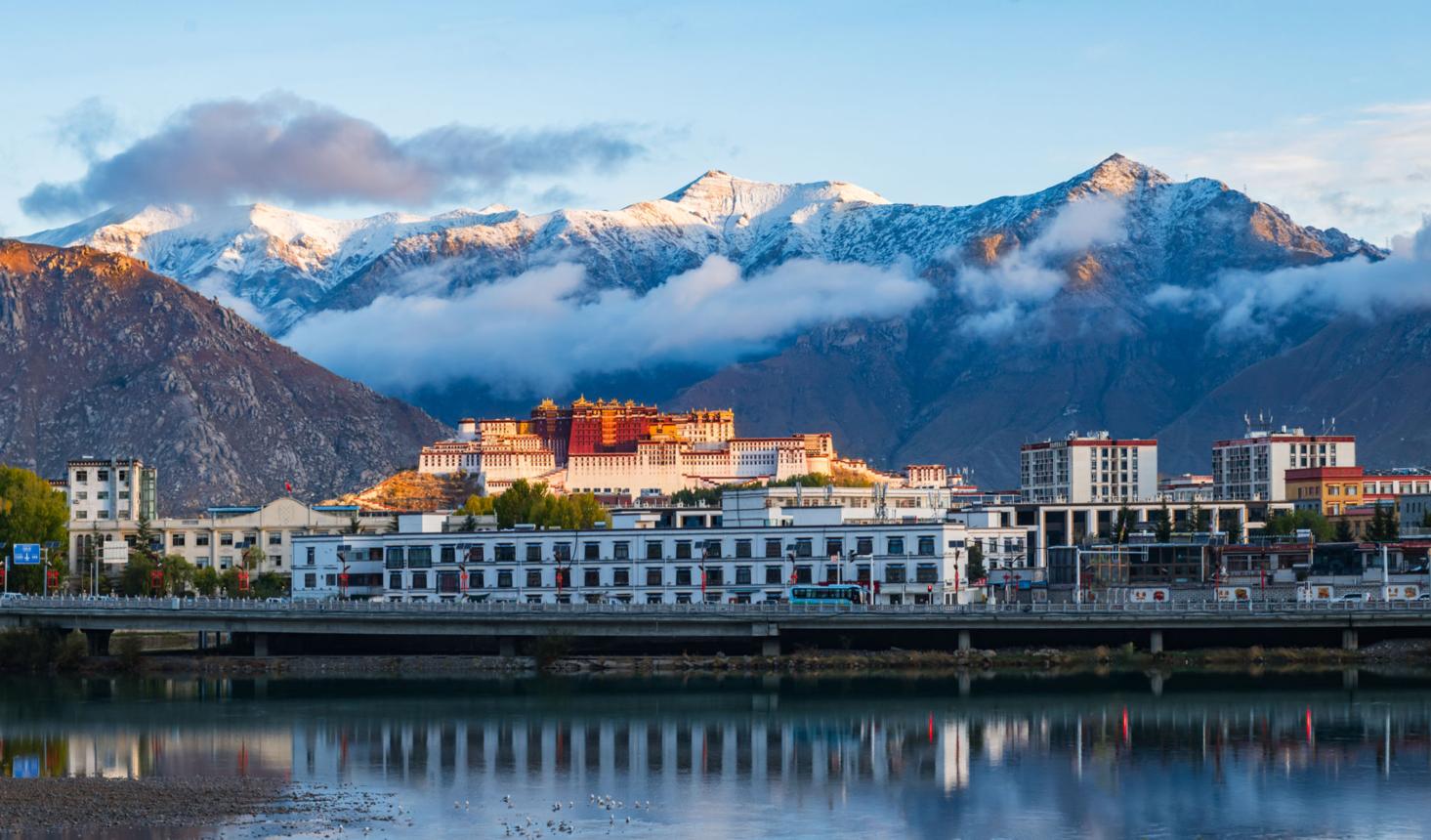
Potala Palace rises more than 300 meters above Lhasa Valley.
Key architectural features:
- Built directly on Red Hill
- Massive white and red palace structure
- Tiered fortress-like design
- Integration with natural mountain terrain
- Symbolic elevation above the city
It appears like a spiritual fortress floating above the land.
The Red Palace – Spiritual Center of Tibetan Buddhism


Sacred Chambers of Faith and History
The Red Palace within Potala Palace is the spiritual heart of the complex.
It contains:
- Prayer halls and chapels
- Golden stupas of Dalai Lamas
- Buddhist scriptures and relics
- Detailed murals and religious art
- Sacred meditation chambers
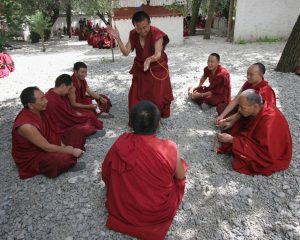
It represents centuries of spiritual tradition.
The White Palace – Administrative and Residential Area


The Living Quarters of Tibetan Leaders
Potala Palace also includes the White Palace.
Main functions:
- Former residence of the Dalai Lama
- Administrative offices
- Living quarters and workspaces
- Long corridors and terraces
- Views over Lhasa city
It served as the political center of Tibet.
Rooftop Views Over Lhasa Valley


A Panorama Above the Roof of the World
From the top of Potala Palace, visitors can see:
- Entire Lhasa city
- Himalayan mountain ranges
- Vast Tibetan plateau
- Clear high-altitude skies
- Golden sunset lighting
It is one of the highest palace viewpoints in the world.
Stairways and Pilgrimage Experience


A Journey of Faith and Endurance
Visitors must climb long staircases to reach Potala Palace.
Key experiences:
- Hundreds of steep stone steps
- High-altitude physical challenge
- Spiritual pilgrimage atmosphere
- Slow ascent reflecting devotion
- Gradual reveal of palace architecture
The climb itself is part of the experience.
Tibetan Art, Murals, and Cultural Heritage


A Living Museum of Tibetan Civilization
Potala Palace preserves centuries of culture.
Highlights include:
- Ancient Buddhist murals
- Sculptures and statues
- Religious artifacts
- Historical manuscripts
- Traditional Tibetan craftsmanship
It is a cultural treasure of global significance.
Seasonal Beauty on the Tibetan Plateau


A Palace That Changes With the Sky
Potala Palace looks different throughout the year:
Winter: snow-covered dramatic scenery
Spring: clear skies and crisp air
Summer: strong sunlight and vibrant contrast
Autumn: warm golden tones over mountains
Its appearance reflects the high-altitude environment.
Cultural and Spiritual Significance


A Symbol of Tibetan Identity and Buddhism
Potala Palace is deeply sacred.
Symbolism includes:
- Seat of the Dalai Lamas
- Center of Tibetan Buddhism
- Spiritual pilgrimage destination
- Cultural identity of Tibet
- Harmony between nature and faith
It is one of the most sacred places in Asia.
Why Potala Palace Is One of the World’s Most Remarkable Monuments


A Fortress of Faith Above the Clouds
Potala Palace is more than a palace—it is a spiritual symbol, an architectural miracle, and a cultural heritage site that dominates the Himalayan skyline. Its scale, history, and sacred meaning make it one of the most important landmarks in the world.