Temple of Heaven Beijing – Discover China’s Most Sacred Imperial Worship Complex


Introduction
Temple of Heaven is one of the most important historical and cultural landmarks in China. Located in southern Beijing, this magnificent imperial complex was built during the Ming Dynasty and served as the sacred site where Chinese emperors prayed to Heaven for good harvests and prosperity.
Known for its stunning architecture, spiritual significance, and beautiful parkland, the Temple of Heaven is one of Beijing’s most visited attractions and a UNESCO World Heritage Site.
Why the Temple of Heaven Is So Famous


A Symbol of Ancient Chinese Spiritual Beliefs
The Temple of Heaven is famous for its unique religious importance and architectural beauty.
Highlights include:
- UNESCO World Heritage Site
- One of China’s most iconic landmarks
- Sacred worship site for Ming and Qing emperors
- Masterpiece of traditional Chinese architecture
- Symbol of harmony between Heaven and Earth
The complex represents centuries of Chinese philosophy, religion, and imperial tradition.
History of the Temple of Heaven


The Imperial Place of Worship
Construction of the Temple of Heaven began in 1406 under the reign of Yongle Emperor and was completed in 1420.
For nearly five centuries, emperors of the Ming and Qing Dynasties visited the temple to perform sacred ceremonies and pray for:
- Good harvests
- Favorable weather
- National prosperity
- Peace and stability
These rituals were considered essential for maintaining harmony between Heaven and the Chinese Empire.
Hall of Prayer for Good Harvests


The Most Iconic Building in Beijing
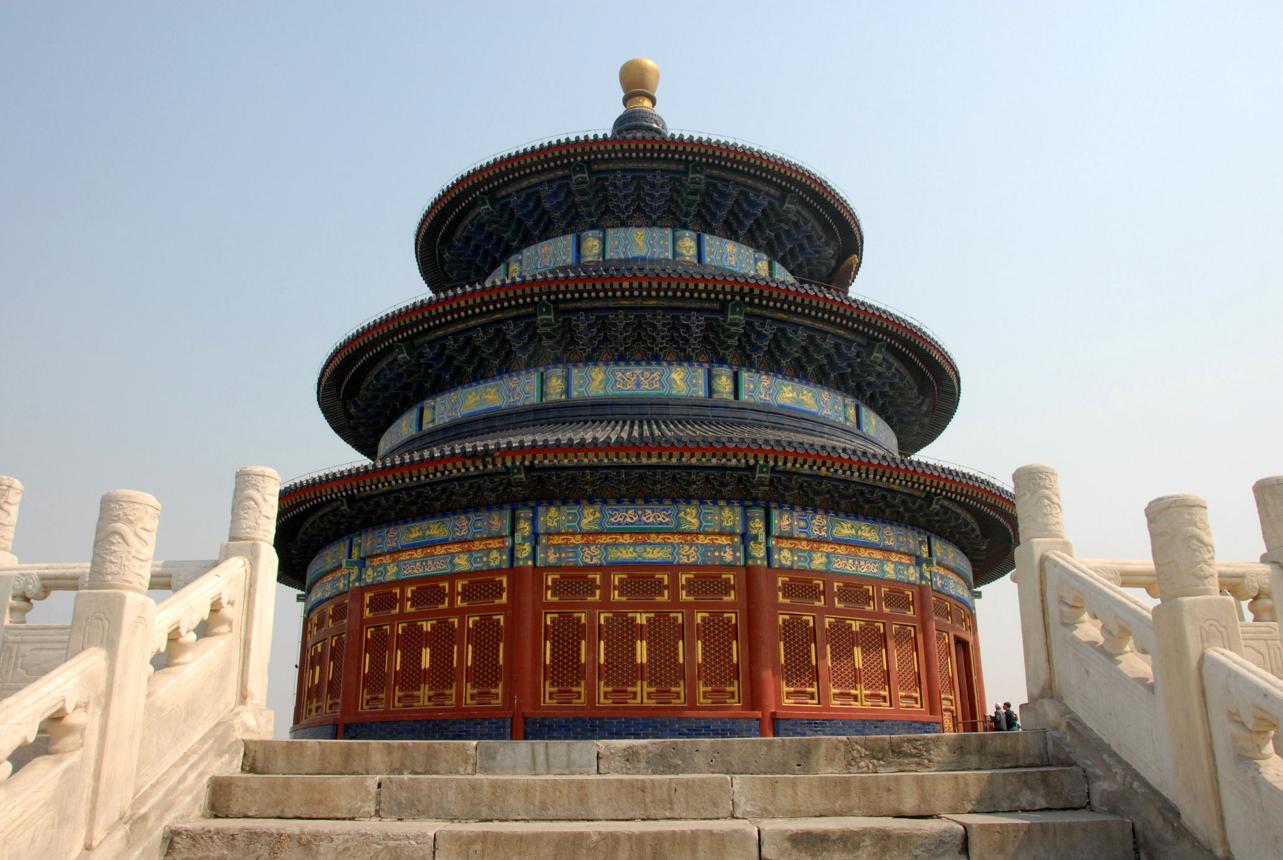
Hall of Prayer for Good Harvests is the most recognizable structure within the Temple of Heaven complex.
Features include:
- Triple-gabled blue roof
- Circular wooden design
- Traditional Chinese craftsmanship
- No nails used in the original construction
- Symbolic representation of Heaven
It is widely regarded as one of the finest examples of Chinese architecture.
Circular Mound Altar


Sacred Ceremonial Site
Circular Mound Altar was the location where emperors performed important winter solstice ceremonies.
Highlights include:
- Three-tier marble platform
- Perfect circular design
- Exceptional acoustic properties
- Spiritual symbolism related to Heaven
The altar remains one of the most significant features of the complex.
Imperial Vault of Heaven and Echo Wall


Ancient Engineering and Acoustics
The Imperial Vault of Heaven is famous for its surrounding Echo Wall.
Visitors can experience:
- Remarkable sound transmission
- Unique architectural design
- Historical ceremonial structures
- Traditional Chinese engineering techniques
The site demonstrates the advanced knowledge of ancient Chinese builders.
Temple of Heaven Park


A Peaceful Green Oasis
Surrounding the temple is a large public park where visitors can enjoy:
- Ancient cypress trees
- Walking paths
- Traditional cultural activities
- Tai Chi practice
- Beautiful seasonal scenery
The park offers a relaxing contrast to the busy city of Beijing.
Best Time to Visit the Temple of Heaven


Seasonal Travel Guide
The best times to visit are:
- Spring (March–May): Comfortable weather and blooming flowers
- Autumn (September–November): Clear skies and colorful foliage
- Early morning: Ideal for photography and local cultural activities
- Winter: Peaceful atmosphere with fewer tourists
Autumn is generally considered the most picturesque season.
Photography at the Temple of Heaven


Best Photo Locations
Photography enthusiasts should not miss:
- Hall of Prayer for Good Harvests
- Circular Mound Altar
- Echo Wall area
- Temple gardens
- Sunrise and sunset viewpoints
The vibrant blue roofs create striking contrasts against the sky.
Why the Temple of Heaven Is a Must-Visit in Beijing


Experience the Spiritual Heart of Imperial China
Temple of Heaven offers visitors a fascinating journey into China’s imperial history, religious traditions, and architectural achievements.
Its unique blend of culture, spirituality, and beauty makes it one of Beijing’s most unforgettable attractions and a must-visit destination for travelers exploring China.