Source: media.cntraveler.com
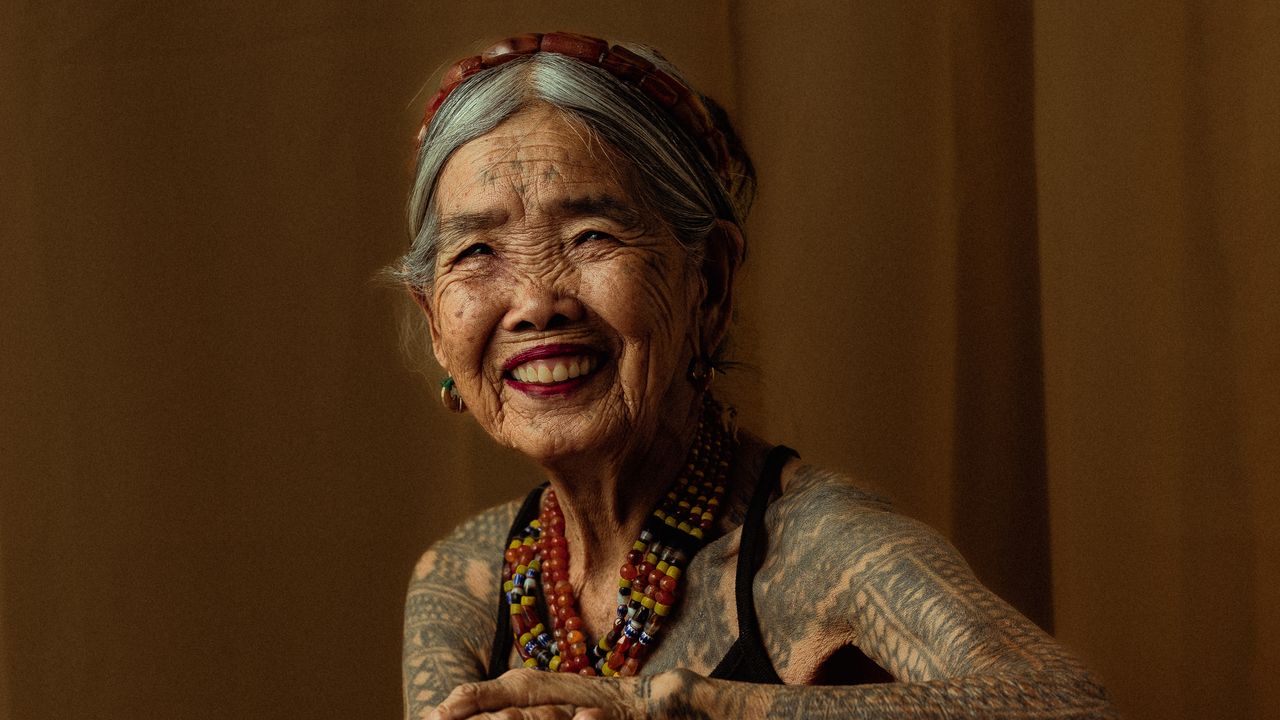
Located in the remote mountain village of Buscalan in northern Philippines, the art of tribal tattoos has been practiced for generations. The village is home to the world-renowned 109-year-old mambabatok (traditional tattooist) Apo Whang-od, who has been hand-tapping tribal tattoos for over 90 years.
According to Kalinga Office of Provincial Tourism estimates, the surrounding province receives 40,000 visitors a year, all drawn to the unique and timeless art form. However, getting a tattoo from Whang-od is a rare opportunity, as she only takes on a limited number of clients each year. Fortunately, her protégées, including her grandnieces and other female students in the village, have learned the art and are skilled mambabatoks in their own right.

Reaching Buscalan was a challenging but unforgettable experience. The 12-hour drive from Manila through the Cordillera mountains was followed by a one-hour hike into a ravine of fragrant laurel trees. Finally, a rickety tram – a narrow wood crate with a pulley system powered by a stationary Jeep – transported supplies and travelers up the steep terrain.

Upon arrival in Buscalan, I was greeted by the misty cool air and the sound of raindrops plunking out a tune on the corrugated metal roof of my homestay. The village was quiet, with only a few hikers passing through, but the atmosphere was peaceful and serene.
Kalinga tattoos combine patterns and symbols to represent the natural and spiritual worlds. A row of triangles with spiky tops, inspired by the palmlike ferns that line the craggy trails, symbolize fertility and good health. Tiers of honeycomb hexagons, resembling snake skin, indicate strength, while the circular sun symbol I chose represents life.
My mambabatok, Princess Sarah Baydon, was a skilled artist who had been tattooing since 2016. She used a spiky thorn of a pomelo tree attached to a thin bamboo reed, tapping the tip into my back with precise taps from a wood baton. The pain was stinging, but I was mesmerized by the process and the unique design that was emerging on my skin.
Apo Whang-od’s legacy extends far beyond her own lifetime. She has passed on her knowledge and skills to her protégées, ensuring that the art of tribal tattoos will continue to thrive in the Philippines. As I departed Buscalan the next day, I felt a sense of connection to the land, the people, and the timeless art form that I had experienced.
Every few steps of the hike out, I tapped my fingers on my back so I could feel the buzzy warmth of a sun that I will carry with me everywhere I go.
Online Assistant