Most Americans Aren’t Anti-Vaccine; They’re Uncertain, and That’s a Growing Public Health Challenge
A Growing Concern for Public Health Officials
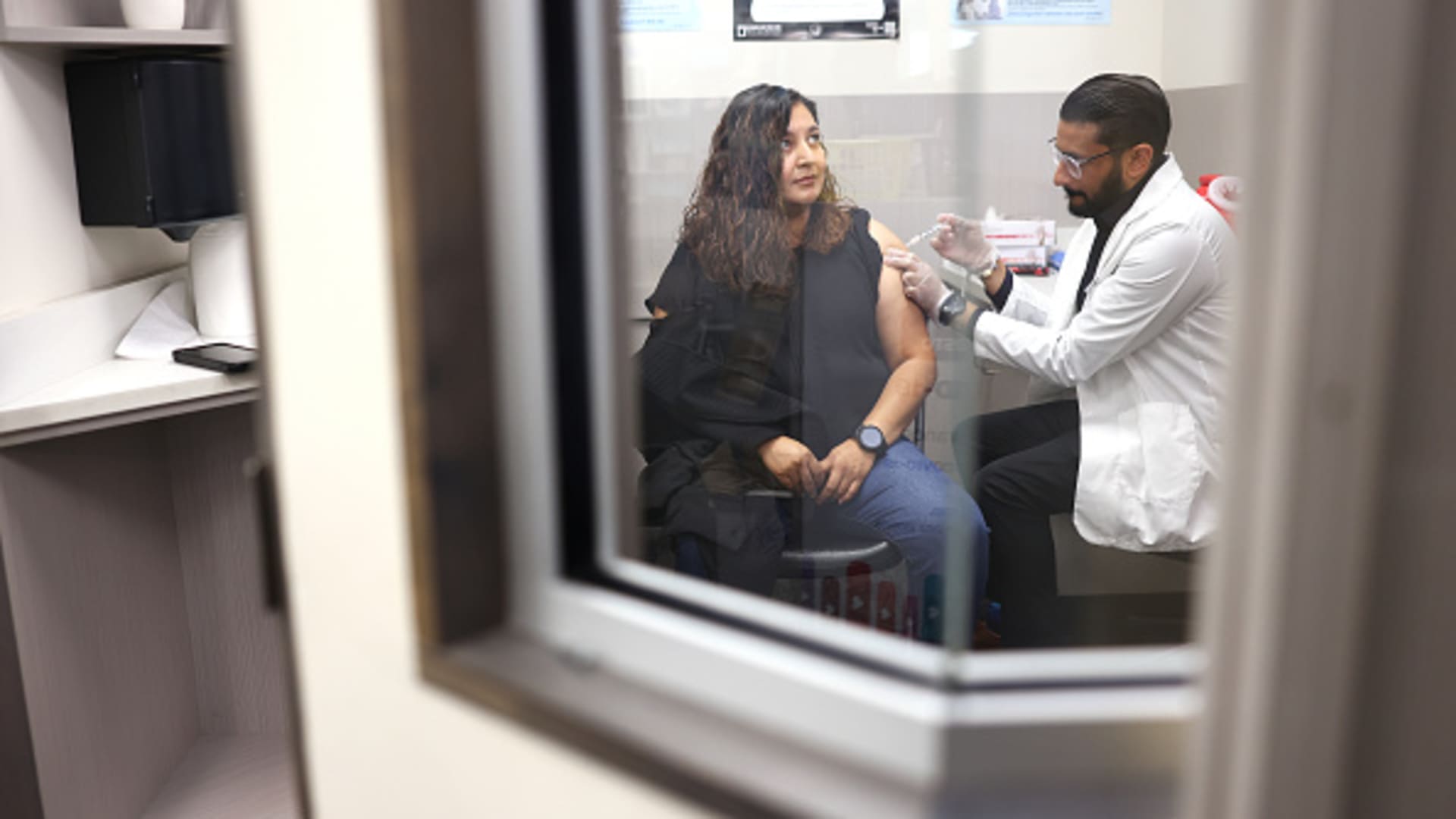
A recent survey has revealed that the majority of Americans are not anti-vaccine; instead, they’re uncertain about the safety and effectiveness of vaccinations. This uncertainty could pose a significant threat to public health, particularly in the wake of record measles cases and declining childhood vaccination rates.
According to a survey conducted by the health policy research organization KFF, only a small percentage of Americans firmly believe in common vaccine myths. However, many others fall into a large, uncertain middle ground, where they have questions or anxieties about vaccinations and may be vulnerable to conflicting messages about their safety and effectiveness.
As Drew Altman, CEO and founding president of KFF, noted, ‘What’s more true is a lot of people are confused. They don’t know who to believe, they don’t know what to believe, and that means that a lot of America is stuck in the middle, unsure and they’re up for grabs.’
The ‘LANDS’ Framework for Understanding Vaccine Hesitancy
Public health scientist Jess Steier and her team at Unbiased Science have developed a framework for understanding vaccine hesitancy, known as the ‘LANDS’ framework. This framework identifies five broad groups: ‘Lost’ people who are confused by conflicting information and don’t know whom to trust; ‘Anxious’ people who fear side effects; ‘Naturalists’ who prefer natural immunity and are skeptical of medical interventions; ‘Distrusters’ who are broadly suspicious of institutions such as government, medicine, and pharmaceutical companies; and ‘Shruggers,’ who aren’t opposed to vaccines but don’t view them as a priority or necessary for themselves.
Steier noted that while those are major factors driving vaccine hesitancy, people likely won’t ‘cleanly fall into one of these buckets.’ Dr. Lori Handy, an attending physician and associate director of the Vaccine Education Center at Children’s Hospital of Philadelphia, agrees that individuals’ beliefs about vaccines are complex and influenced by a variety of factors, including social, religious, and access factors.
The Risks of Uncertainty
Uncertainty about vaccines can have serious consequences, particularly in the face of outbreaks like measles. As Steier noted, ‘Uncertainty can resolve once people have time, information, and access.’ However, this may not be enough to prevent the spread of preventable illnesses.
The US has seen a 35-year high in measles cases, with 2,777 confirmed cases and 36 new outbreaks across 47 jurisdictions this year. More than 93% of the infected individuals are unvaccinated or have an unknown vaccination status, according to the Centers for Disease Control and Prevention.
What Can Be Done?
While it’s clear that uncertainty about vaccines is a growing public health challenge, there are steps that can be taken to address it. Public health officials and healthcare providers can work to provide clear, evidence-based information to people who are unsure about vaccinations. They can also engage in conversations with trusted healthcare providers to help resolve uncertainty and promote informed decision-making.
Ultimately, addressing vaccine hesitancy will require a multifaceted approach that takes into account the complex factors that influence people’s beliefs about vaccines.