When a Therapist Writes Literary Fiction: Unleashing the Power of Bibliotherapy
What Is Therapy?
Therapy is a collaborative process between a therapist and their client, aimed at helping the individual understand and manage their thoughts, feelings, and behaviors. It’s a journey of self-discovery, growth, and healing.
The Therapeutic Use of Literary Works
Bibliotherapy, a term coined to describe the therapeutic use of literary works, is a powerful tool in the therapist’s arsenal. By employing novels, short stories, and other forms of creative writing, therapists can create a safe and non-judgmental space for clients to explore their emotions, experiences, and relationships.
As a psychiatrist and writer, I’ve had the privilege of witnessing the transformative power of bibliotherapy firsthand. In my own practice, I’ve used literary works to help clients process their emotions, develop empathy, and build resilience. The right book, at the right time, can be a catalyst for profound growth and healing.
The Power of Creative Writing in Therapy
As therapists, we’re often encouraged to explore our own creativity and write from the heart. This can be a powerful way to tap into our own experiences, emotions, and insights, and to create a deeper connection with our clients. By writing our own literary works, we can develop a more authentic and empathetic approach to therapy, one that’s grounded in our own humanity.
My own experience with writing has been nothing short of transformative. As a medical student and psychotherapy patient in the early 1990s, I was introduced to bibliotherapy as a means of processing my own emotions and experiences. The prescription of the film Shadowlands, starring Sir Anthony Hopkins as C.S. Lewis, was a turning point in my journey towards healing and self-discovery.
Using Fiction as a Therapeutic Tool
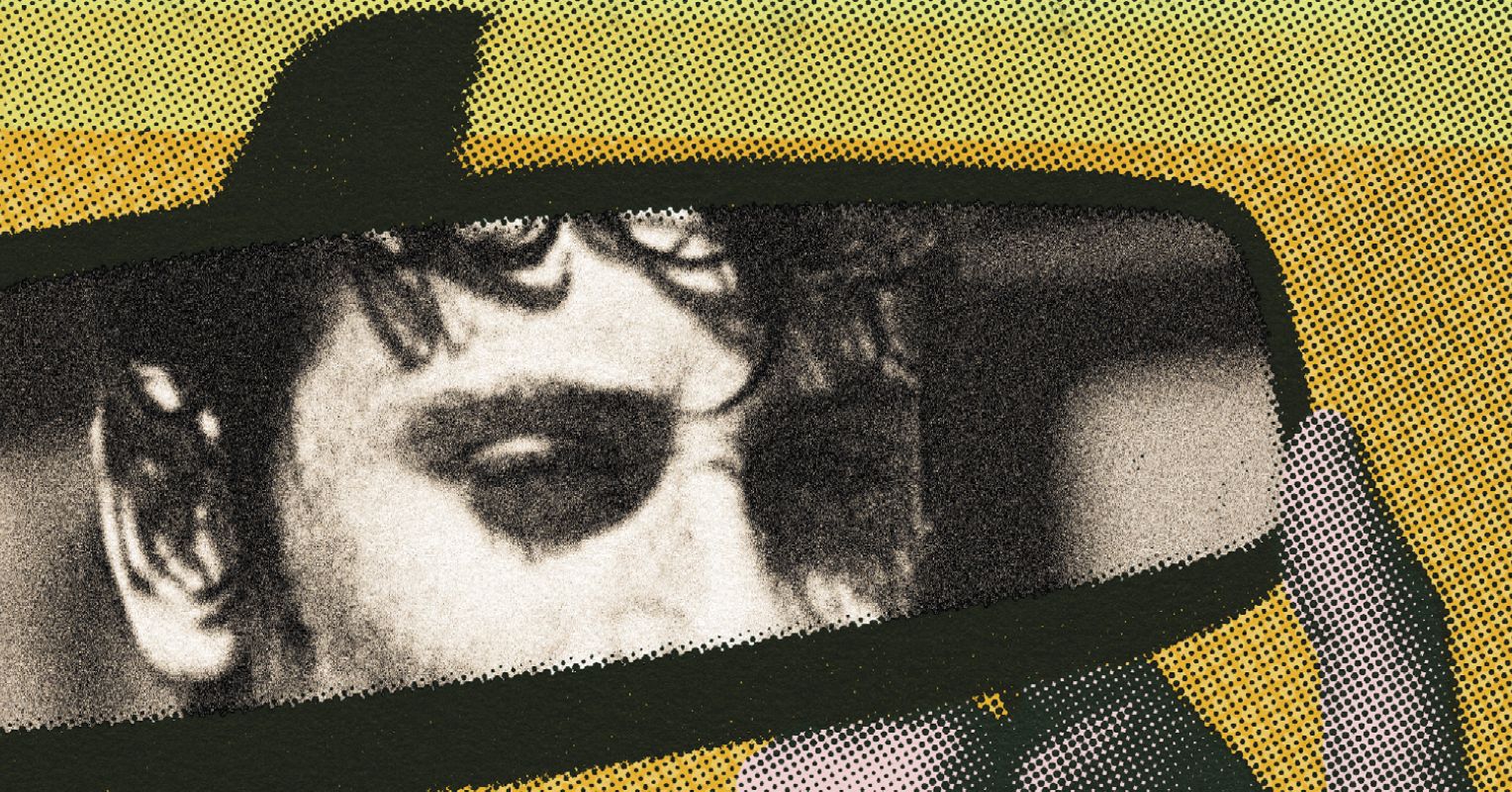
When I began to write my own literary work, Mirror Boy, I was driven by a desire to create a powerful and relatable story that would speak to the experiences of men who have struggled with trauma, loss, and identity. This novel, a dark coming-of-age story, explores themes of trauma-induced coping mechanisms, untrustworthy mentors, and the search for authenticity and wholeness.
As a therapist, I’ve found that using fiction as a therapeutic tool can be a game-changer. By creating a safe and non-judgmental space for clients to explore their emotions and experiences, we can help them develop a deeper understanding of themselves and their place in the world. The right book, at the right time, can be a catalyst for profound growth and healing.
The Benefits of Bibliotherapy
Bibliotherapy offers a unique and powerful approach to therapy, one that’s grounded in the transformative power of literary works. By using fiction as a therapeutic tool, therapists can create a deeper connection with their clients, one that’s rooted in empathy, understanding, and shared human experience.
As therapists, we’re often encouraged to explore our own creativity and write from the heart. This can be a powerful way to tap into our own experiences, emotions, and insights, and to create a deeper connection with our clients. By writing our own literary works, we can develop a more authentic and empathetic approach to therapy, one that’s grounded in our own humanity.


